24 Jul 2026
Aligning Participation Windows with Bingo Variants and Reward Mechanisms
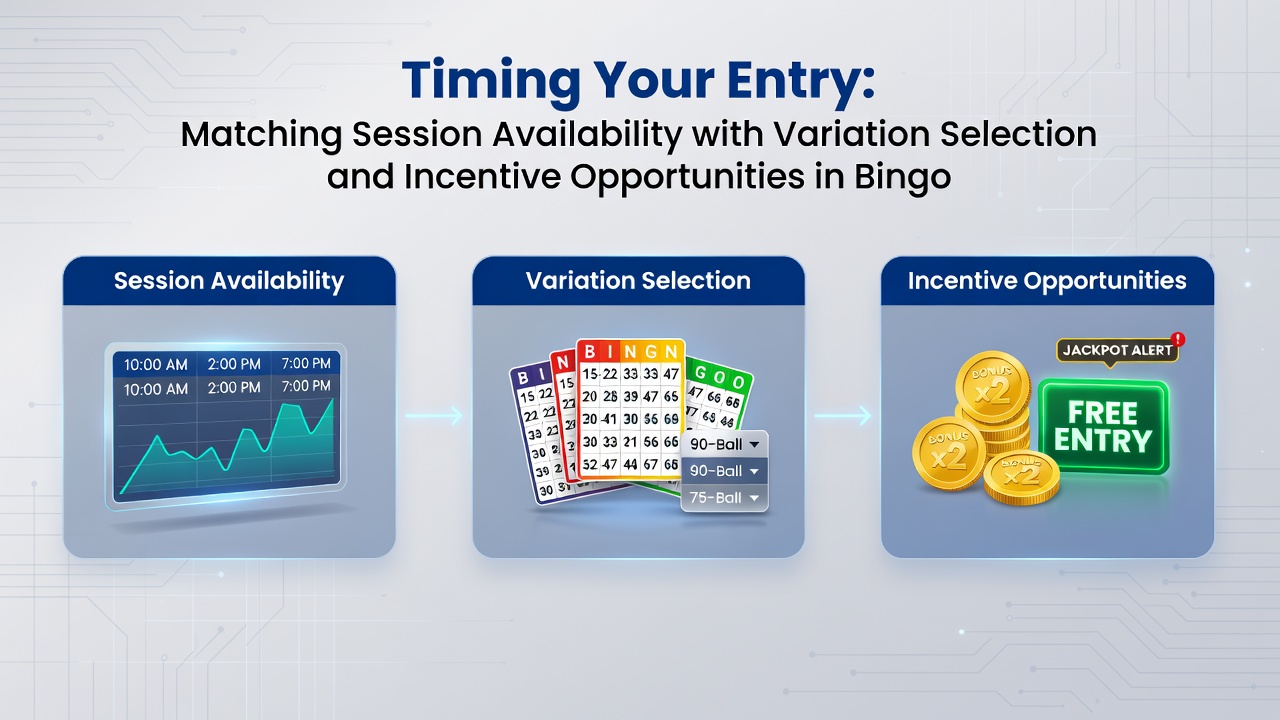
Observers note that bingo participation often hinges on careful coordination between session timings, available game formats, and time-limited incentives, a pattern that has grown more pronounced as both traditional halls and digital platforms expand their offerings through 2026. Data from multiple jurisdictions shows operators releasing updated calendars that list specific start times for 75-ball, 90-ball, and speed bingo variants, while promotional windows frequently coincide with peak evening or weekend slots. Those who track these alignments report higher engagement rates when entry occurs during the first 30 minutes of a new session cycle, according to industry tracking metrics released in early 2026.
Session Availability Patterns Across Formats
Traditional bingo venues typically publish weekly timetables that detail morning, afternoon, and evening blocks, whereas online platforms update availability in real time through mobile applications. Research indicates that 90-ball games dominate daytime slots in many community halls because they require longer play durations, while 75-ball variants appear more often during evening hours when quicker rounds fit denser schedules. Digital operators have introduced staggered start times for speed bingo, with sessions launching every 15 minutes during July 2026 holiday periods to accommodate varying player availability across time zones. Figures from the New Jersey Division of Gaming Enforcement reveal that synchronized rollouts of multiple variants within single calendar blocks increased overall session occupancy by measurable margins during the second quarter of 2026.
Selecting Variants to Match Incentive Windows
Promotional structures frequently tie bonus rounds or jackpot multipliers to particular variants, creating natural decision points for participants who review calendars in advance. One documented approach involves cross-referencing variant start times against incentive listings, since certain progressive jackpots activate only during 75-ball sessions held between 7 and 9 p.m. local time. Data shows that players who select variants aligned with current promotions experience different payout frequencies compared to those entering random sessions, although outcomes remain governed by random number generators. Canadian Gaming Association reports highlight that hybrid platforms offering both traditional and digital variants have begun publishing unified incentive calendars to reduce timing mismatches for participants moving between formats.
Incentive Opportunities and Calendar Synchronization
July 2026 brings several seasonal promotions that operators have scheduled to overlap with public holidays, including extended jackpot periods and loyalty point multipliers available only during designated blocks. External analyses from the European Gaming and Betting Association demonstrate that incentive uptake rises when session availability listings appear alongside variant descriptions and reward terms in a single interface. Those monitoring these overlaps often note that early entry into a session grants access to accumulating side games or pattern-based bonuses that reset at the top of each hour. Platform data further indicates that mobile users who enable calendar notifications receive alerts 15 minutes before incentive windows open, allowing them to select variants while availability remains high.
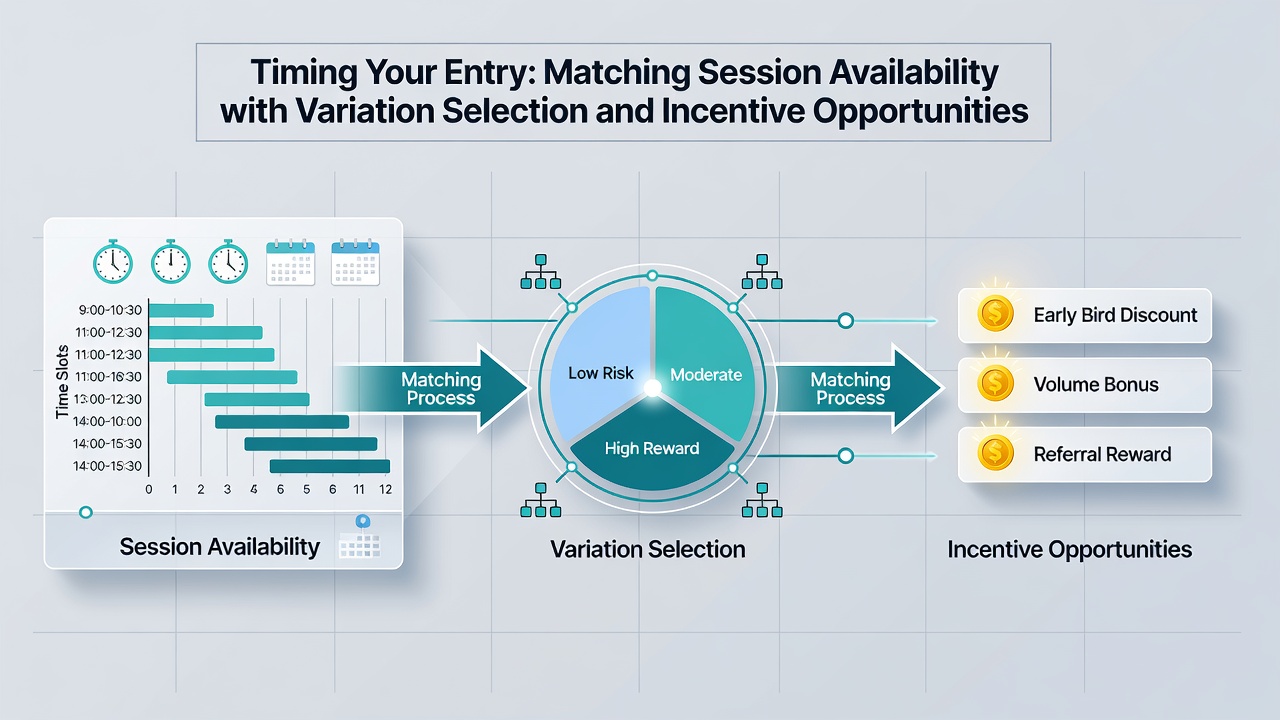
Regulatory updates in several regions have required clearer disclosure of when incentives apply to specific variants, reducing confusion during high-traffic periods. Observers point to the integration of real-time availability indicators that display remaining seats per session, helping participants decide whether to enter a 90-ball game with an active multiplier or wait for a later 75-ball round. Studies conducted by academic researchers at the University of Nevada, Reno, found that structured timing strategies correlate with different participation durations across age groups, although individual results vary based on personal scheduling constraints.
Practical Coordination in Hybrid Environments
Hybrid bingo activities that combine in-person and app-based participation have introduced additional layers of timing consideration, since venue protocols sometimes limit entry after a session begins while digital platforms allow mid-round joining. Those coordinating across both formats often review rule adaptations published alongside calendars, because variant selection can affect which incentives transfer between physical and online environments. Reports from the second quarter of 2026 show that operators releasing unified schedules experienced fewer participant inquiries regarding mismatched promotions. And when seasonal events occur, such as community gatherings during July, variant changes frequently accompany adjusted session lengths to maintain incentive alignment.
Conclusion
Evidence from regulatory filings and industry reports continues to illustrate how session availability, variant selection, and incentive structures intersect in measurable ways across bingo formats. Participants who consult updated timetables and cross-reference them with current promotional terms position themselves to enter at moments when multiple options remain open. As platforms refine their synchronization tools through the remainder of 2026, the emphasis on precise timing appears likely to persist in both traditional and digital settings.