24 Aug 2026
Availability Windows Shape Pattern Variations Across Bingo Formats
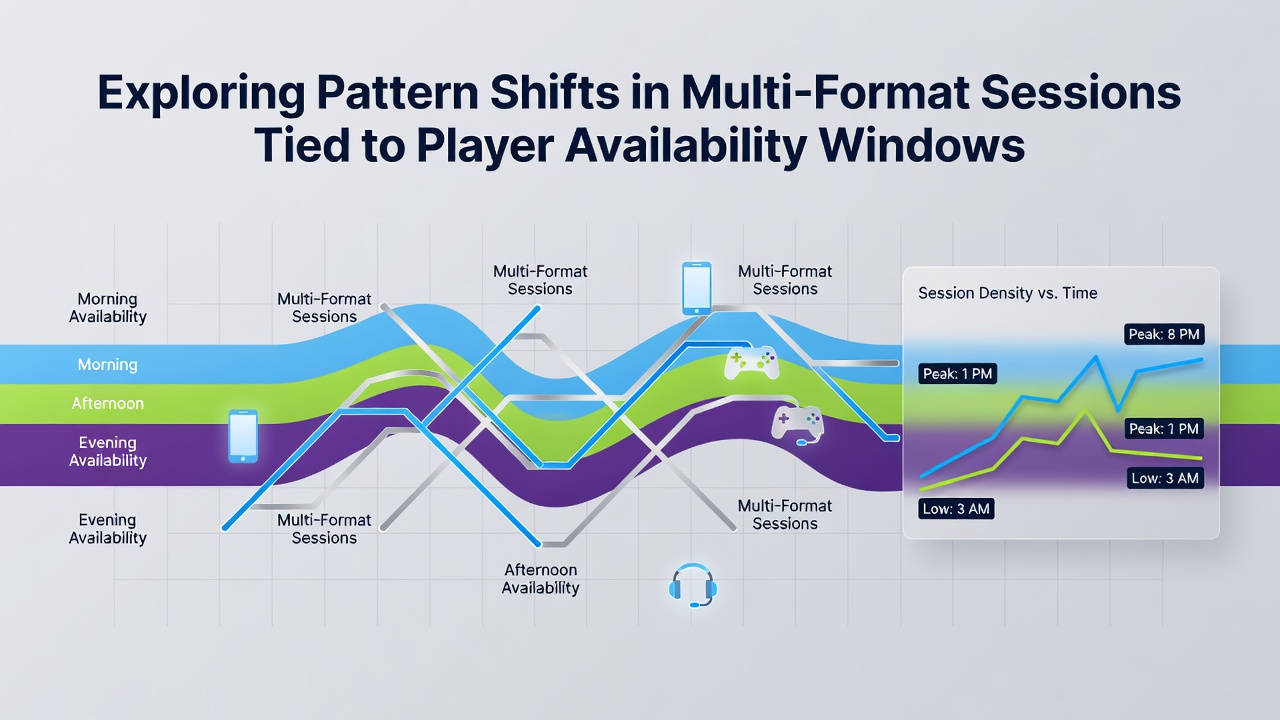
Player availability windows have begun reshaping how patterns emerge and adapt in bingo sessions that span traditional halls, digital platforms, and hybrid events throughout 2026, with data from August showing clear correlations between scheduled play times and the frequency of specific winning combinations. Research from industry reports indicates that morning and evening slots draw distinct demographics, which in turn influences which patterns operators emphasize during promotions and rule adjustments. Those who've tracked these trends note that shorter availability periods often coincide with faster-paced games favoring simpler patterns, whereas extended windows allow for more complex sequences that require sustained attention.
Defining Availability Windows in Multi-Format Contexts
Availability windows refer to the specific time blocks when players can participate, and these blocks vary significantly between formats because traditional venues operate on fixed hall hours while online apps permit 24-hour access with personalized notifications. Studies from the Canadian Gaming Association reveal that regional differences in work schedules and commute patterns create predictable clusters, such as post-lunch surges in urban areas or late-night spikes among shift workers. Operators respond by adjusting pattern difficulty and payout structures to match these clusters, ensuring engagement remains steady even as participant numbers fluctuate. One analysis of 2026 data highlighted how August weekends produced longer availability stretches that encouraged experimentation with less common patterns like double-line or blackout variants.
Data Patterns from Regulatory and Industry Sources
Figures released by state gaming commissions in the United States show measurable upticks in certain pattern completions during overlapping availability periods, where players move between app-based quick games and scheduled live sessions. These overlaps create opportunities for cross-format strategies, yet they also require rule tweaks to prevent confusion over pattern validity. Observers note that digital platforms have started logging player log-in durations more precisely, allowing algorithms to predict which patterns will dominate based on historical session lengths. A report issued by the Australian Communications and Media Authority in mid-2026 documented similar trends in hybrid bingo activities, where availability tied to public holidays prompted operators to introduce seasonal pattern rotations that aligned with family-oriented play windows.
Case Examples from Hybrid and Digital Sessions
Take one operator in a major North American market that synchronized its August 2026 calendar with local school breaks, resulting in extended afternoon windows that favored patterns requiring collaborative play elements across multiple rooms or apps. Participants in these sessions often discovered that shorter availability forced quicker pattern recognition, while those with flexible schedules explored adaptive tactics like switching between 75-ball and 90-ball formats mid-window. Research indicates such flexibility has led to increased use of side games that complement main patterns, particularly when players log in during brief gaps in their day. What's interesting is how these shifts appear consistent across regions, suggesting a broader industry movement toward data-driven scheduling rather than static weekly timetables.
Regulatory Influences on Pattern Adjustments
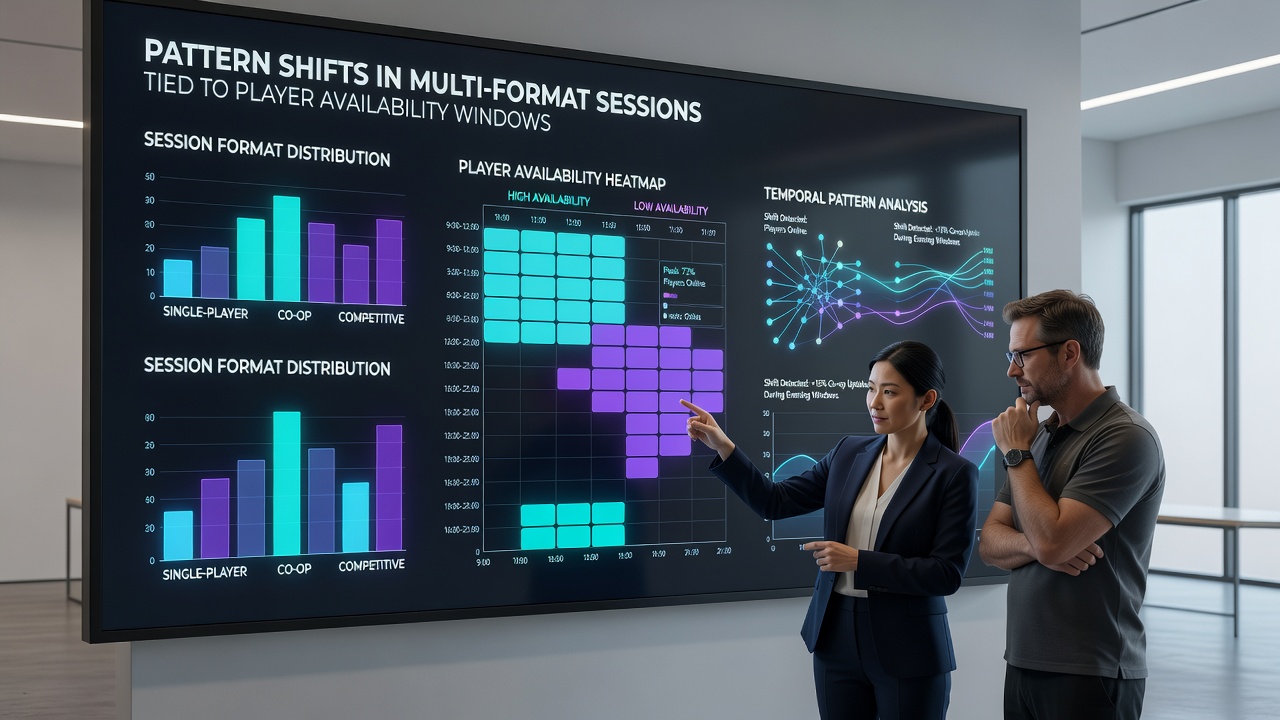
Regulatory bodies in various jurisdictions have started requiring transparency around how availability data informs pattern promotions, which has encouraged more precise tracking of session outcomes. For instance, quarterly updates from certain provincial authorities in Canada emphasize the need for operators to document any rule adaptations that occur within high-traffic windows, ensuring fairness across formats. This requirement has prompted software developers to build tools that automatically suggest pattern changes based on real-time player density metrics. Those monitoring the sector observe that such tools reduce manual intervention while maintaining compliance, especially during August when seasonal tourism alters typical availability in tourist-heavy areas.
Future Implications for Session Design
Looking ahead, the integration of availability analytics with pattern algorithms is expected to grow, allowing operators to fine-tune offerings for specific demographic clusters without manual calendar overhauls. Evidence from ongoing industry studies suggests this approach could stabilize participation rates even as external factors like weather or local events disrupt standard windows. Hybrid formats stand to benefit most because they can blend the structure of live sessions with the flexibility of apps, creating seamless transitions that respect individual schedules. Data shows that players who navigate multiple formats within one availability window tend to complete a wider variety of patterns, which in turn influences future promotional calendars.
Conclusion
Availability windows continue to serve as a central factor in how patterns evolve across bingo formats, with 2026 data underscoring the value of responsive scheduling and cross-platform coordination. Operators and regulators alike rely on these insights to maintain engagement and compliance, resulting in sessions that feel more attuned to actual player rhythms. As tracking methods advance, the connection between time availability and pattern selection will likely deepen, shaping the landscape for both traditional and digital participants in measurable ways.