15 May 2026
Bingo Game App Development Costs in 2026 Span $8,000 to $150,000 Depending on Scope and Location
Industry analysts released a detailed pricing guide in May 2026 that outlines the full range of expenses for building bingo game apps over the coming year, and the numbers stretch from $8,000 for basic versions up to $150,000 for feature-rich productions. The guide breaks down every major variable that drives those totals, from platform choices to graphics complexity and the developer's geographic base. Developers and studio leads who have reviewed the report note that it provides the clearest picture yet of how project scope directly shapes final invoices.
Core Cost Ranges and What They Cover
Basic bingo apps that run on a single platform with limited features typically land at the lower end of the spectrum, starting around $8,000 when teams work with offshore studios that specialize in straightforward 2D interfaces. These entry-level builds usually include standard number-draw mechanics, simple user accounts, and minimal backend support. Mid-tier projects that add multiplayer rooms, in-app purchase systems, and cross-platform compatibility push totals into the $40,000 to $80,000 bracket. High-end productions that incorporate 3D graphics, live tournaments, advanced analytics dashboards, and custom server infrastructure reach or exceed the $150,000 mark. The guide emphasizes that these figures represent complete development cycles, including design, coding, testing, and initial launch support.
Platform Choices Drive Significant Price Differences
Mobile-first apps for iOS and Android command the highest baseline costs because they require separate optimization for each operating system plus ongoing compliance updates. Web-based versions that operate directly in browsers tend to cost 20 to 30 percent less since developers avoid app-store review processes and native code layers. PC clients, often built for larger screens and higher performance hardware, add another layer of expense when teams include keyboard controls, expanded visual effects, and integration with desktop notification systems. Many studios now quote hybrid packages that cover mobile, web, and PC simultaneously, and the guide shows these bundled projects frequently save clients between 15 and 25 percent compared with commissioning each platform separately.
Feature Sets That Push Budgets Higher
Multiplayer functionality stands out as one of the largest single cost multipliers because it demands real-time synchronization, anti-cheat measures, and scalable matchmaking servers. In-app purchase systems that handle virtual currency, premium rooms, and seasonal passes require secure payment gateways adn compliance with regional financial regulations. Graphics choices also create clear price tiers: clean 2D animations with flat design elements remain affordable, while 3D environments with particle effects, dynamic lighting, and character customization quickly escalate labor hours. The guide lists additional line items such as voice chat integration, social sharing tools, and leaderboard systems that each add between $5,000 and $18,000 depending on depth.
Regional Rate Variations Remain Substantial
Development studios in India continue to offer the lowest hourly rates, often between $25 and $45, which keeps many basic and mid-range projects under $30,000 when clients accept remote collaboration. Teams based in the United States or United Kingdom typically charge $90 to $150 per hour, pushing equivalent scope into the $70,000-plus range even before premium features enter the equation. Eastern European and Latin American studios fall in the middle, with rates that allow solid quality at totals roughly 40 percent below North American or Western European quotes. The report notes that time-zone overlap, communication speed, and post-launch maintenance contracts frequently influence final selections more than raw hourly differences alone.
Monetization Pathways Highlighted in the Guide
Successful bingo apps generate revenue through multiple streams that the pricing document maps to development decisions. Advertising integrations, including rewarded videos and banner placements, require additional SDK work but deliver steady returns once player volume grows. Sponsorship deals with gaming brands or lottery operators often cover 30 to 50 percent of initial build costs in exchange for prominent placement. In-app purchases that unlock cosmetic items or extended play sessions provide the highest margins after launch. The guide connects these monetization choices directly to feature priorities, showing how early decisions about social tools and progression systems affect long-term revenue potential.
Market Growth Context Supports Continued Investment
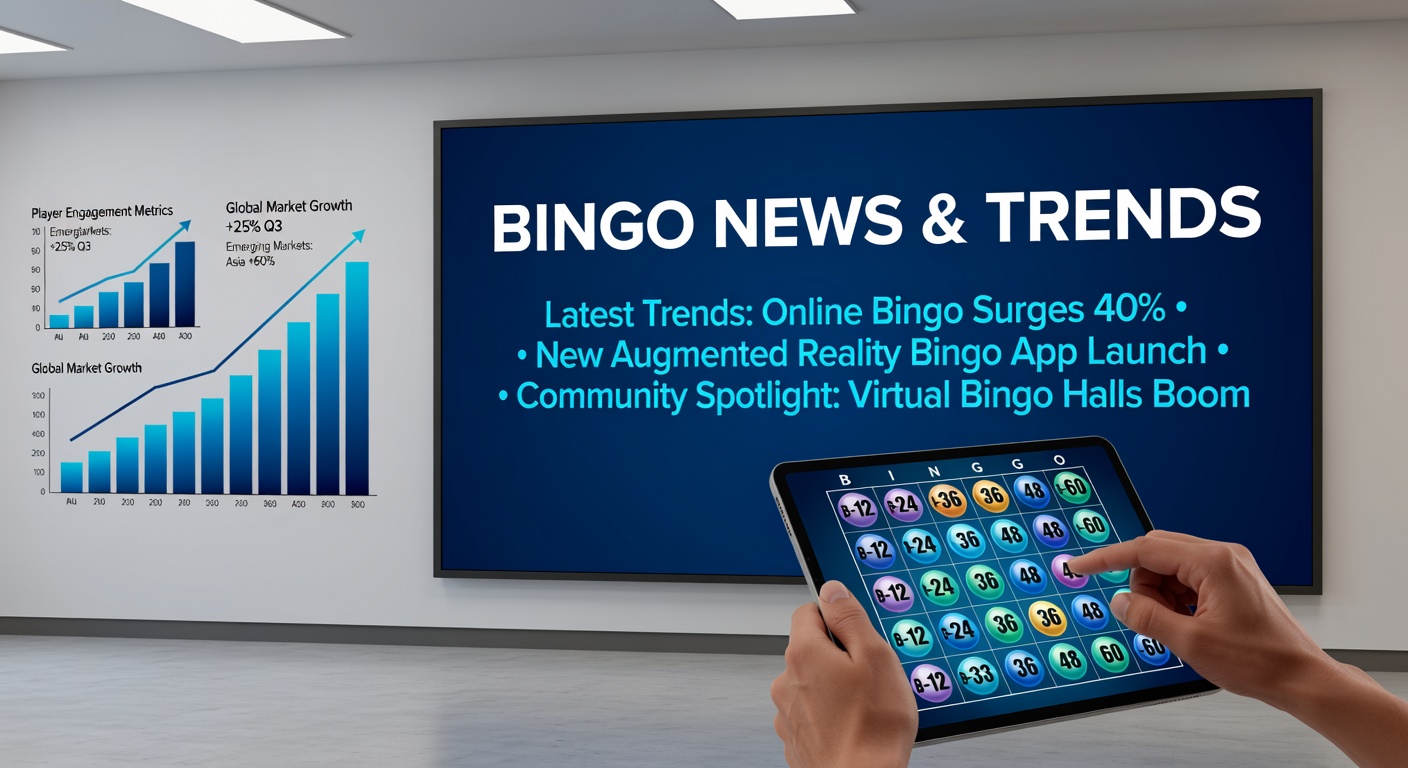
Global bingo participation continues to expand, with data from the Lottery and Bingo Market Outlook indicating steady year-over-year increases in both online and land-based segments. This upward trajectory encourages studios to allocate larger budgets toward polished user experiences and robust backend infrastructure. Observers note that apps launched with stronger social and competitive features tend to retain players longer, which in turn supports higher advertising rates and sponsorship renewals. The 2026 pricing guide positions these market conditions as a key reason developers should align project scope with projected revenue models from the outset.
Conclusion
The May 2026 pricing guide delivers a practical framework that lets studios and clients map specific feature lists against realistic budget ranges while accounting for platform, graphics, and location variables. By connecting development choices to monetization options and overall market expansion, the document helps teams avoid under-scoping or over-engineering bingo apps before work begins. Those who follow its breakdowns gain clearer visibility into both upfront costs and pathways to sustainable returns once the app reaches players worldwide.