19 Jun 2026
Bingo's Calendar Sync: Matching Public Holidays with Player Needs and Rule Tweaks
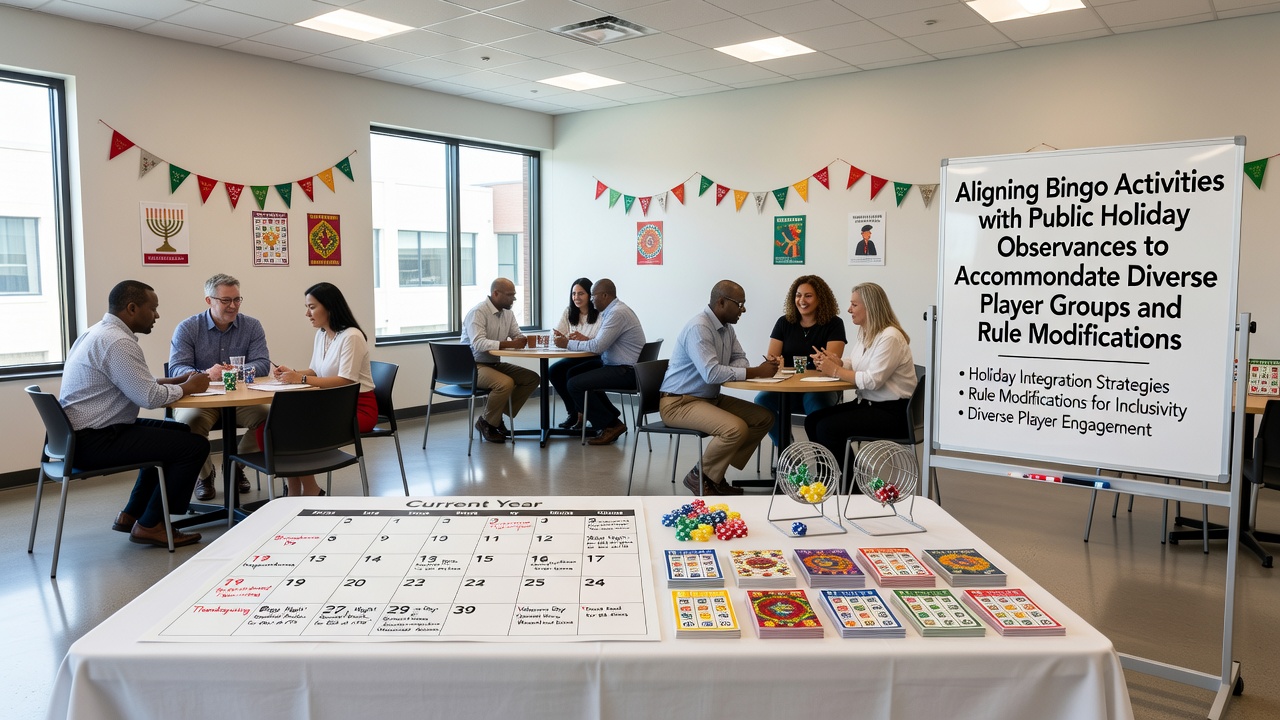
Operators across traditional halls and digital platforms adjust bingo sessions to align with public holiday calendars, creating opportunities for broader participation while incorporating targeted rule changes that suit varied player demographics. This synchronization draws from patterns observed in community centers, commercial venues, and online networks where holiday observances influence attendance and format preferences. Data from regional gaming reports indicate that such alignments help maintain steady engagement during periods when work schedules and family commitments shift dramatically.
Public holidays like Independence Day in the United States, Canada Day north of the border, and Australia Day create natural windows for themed events. Venues often extend session times or introduce afternoon slots to accommodate families and shift workers who observe these dates. In June 2026, Juneteenth observances in several American states coincide with summer community gatherings, prompting organizers to schedule midday games that incorporate educational patterns related to historical themes while keeping core mechanics intact.
Scheduling Adjustments Across Formats
Traditional bingo halls coordinate with local calendars by reviewing holiday listings from government agencies, whereas online platforms use automated tools to shift jackpot timings and bonus rounds. Those who've tracked participation metrics note that evening sessions on holidays with daytime parades or festivals see reduced turnout, leading managers to pivot toward early morning or late-night options instead. Hybrid models combine physical locations with app-based play, allowing remote users in different time zones to join synchronized draws without conflicting with their own regional observances.
Community organizations frequently partner with venues to host events on days such as Thanksgiving or Diwali, adjusting start times to follow religious or cultural rituals. Figures from industry associations reveal that these coordinated efforts result in higher retention rates among multicultural groups who might otherwise skip standard weekly games.
Accommodating Diverse Player Groups
Rule modifications emerge as a direct response to player feedback collected through surveys and session observations. For religious holidays that prohibit certain activities, operators introduce shorter rounds or substitute numbers with symbols that align with cultural sensitivities. Senior players benefit from slower pacing on days like New Year's when larger crowds gather, while family-oriented holidays prompt additions of child-friendly side games that maintain the main bingo structure.
Research from academic institutions studying recreational gaming shows that inclusive scheduling increases involvement from underrepresented demographics, including those observing Ramadan or Lunar New Year. Venues in multicultural cities often provide multilingual announcements and pattern cards during these periods, ensuring accessibility without altering payout structures. What's interesting here is how digital platforms extend these accommodations globally, offering region-specific filters that let users select games matching their local holiday calendars.
Rule Modifications and Their Implementation
Adaptations range from minor tweaks like reducing the number of cards per player during high-traffic holidays to more substantial changes such as introducing progressive jackpots tied to specific dates. In June 2026, operators in North America reference reports from bodies like the National Indian Gaming Commission when planning events around Indigenous Peoples' Day observances, incorporating pattern variations that reflect community traditions. These modifications undergo testing phases to confirm fairness and compliance with jurisdictional standards.
Industry organizations track how such changes affect overall play duration and winner distribution, providing data that helps venues refine future schedules. One study from a European university gaming research group highlighted that flexible rules during holiday windows lead to sustained interest from occasional players who appreciate the variety without needing to learn entirely new systems.
Examples from Recent Observances
Take the approach seen in Australian community clubs during Anzac Day, where sessions incorporate remembrance themes through special blackout patterns and adjusted prize pools. Similar strategies appear in Canadian provinces around Victoria Day, with halls extending hours to capture post-parade crowds. Online operators meanwhile synchronize promotions with these dates using backend algorithms that detect user locations and suggest compatible sessions.
Yet the reality is that not every holiday requires extensive overhauls; many venues simply shift existing timetables by an hour or two while adding optional themed elements. This measured response keeps operations efficient while still addressing the needs of diverse groups who value both tradition and flexibility in their recreational choices.
Conclusion
Aligning bingo activities with public holiday observances continues to evolve as venues and platforms gather more participation data and refine their approaches. Rule modifications tailored to cultural, religious, and demographic factors support wider access, and the integration of June 2026 observances demonstrates how ongoing calendar awareness shapes practical adaptations. Those monitoring these trends point to consistent patterns where thoughtful scheduling and targeted changes maintain engagement across player segments without compromising core gameplay integrity.