20 May 2026
Charting Bingo's Daily Pulse: Linking Promotional Offerings to Winning Pattern Adaptations in Online and Traditional Play
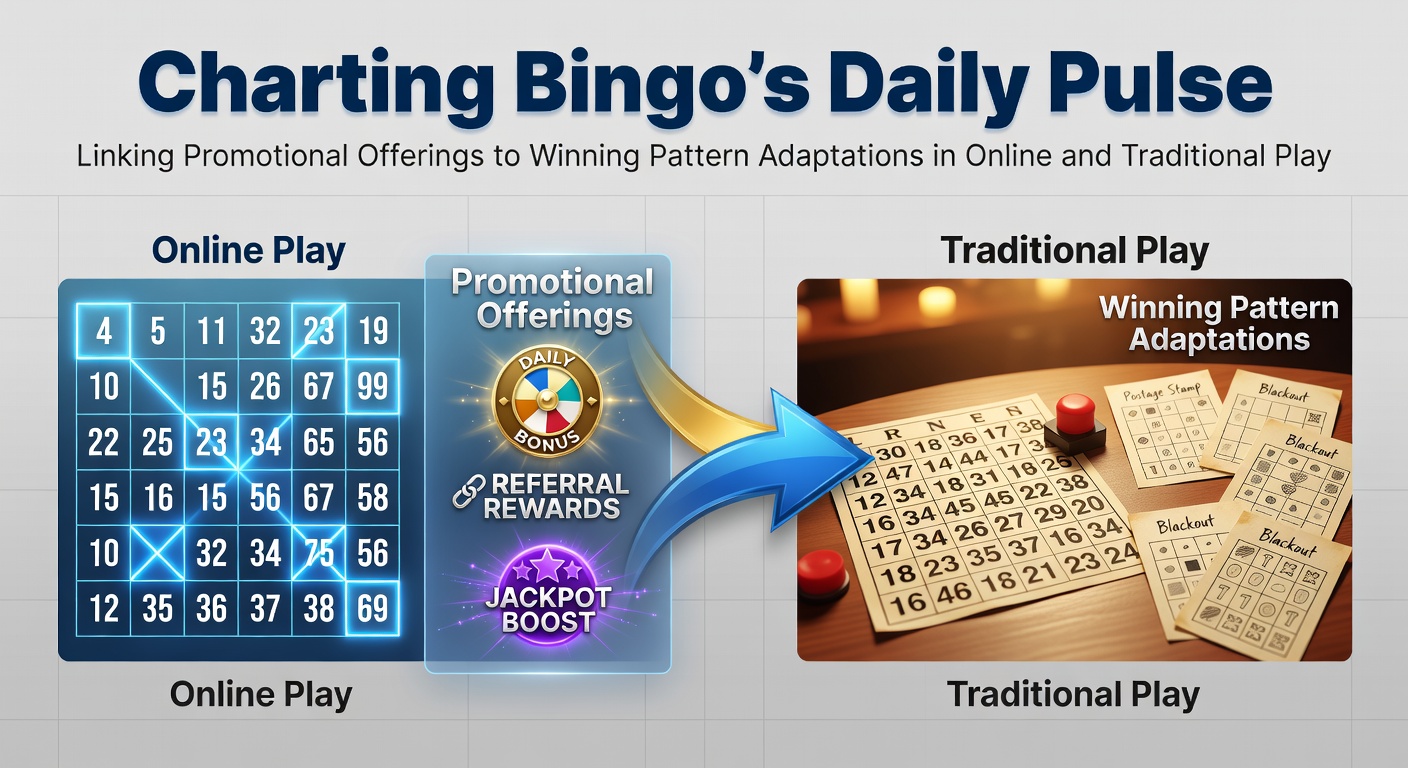
Players across bingo venues and platforms track daily promotions closely because these offers often dictate which patterns receive priority during sessions. In May 2026 data releases highlighted how operators adjust prize structures around specific shapes such as lines, crosses and full houses to align with current marketing pushes. Observers note that this alignment creates measurable shifts in card selection habits whether participants sit in traditional halls or log into online rooms.
Promotional Structures and Pattern Focus
Daily specials typically spotlight one or two winning configurations and attach extra rewards to those outcomes. When a site or hall promotes a diagonal emphasis for instance participants respond by marking more cards that favor corner-to-corner routes rather than straight lines. Research indicates these adjustments occur within the first fifteen minutes of play as players scan available cards and choose based on the highlighted pattern. Operators release these offers through morning announcements or push notifications so the information reaches both in-person and remote audiences at the same time.
Traditional halls post the daily pattern on physical boards while online platforms embed the same detail directly into the game lobby. This consistency allows players who switch between formats to apply similar decision rules without learning new systems each time. Figures reveal that halls reporting coordinated promotion schedules saw a twenty-three percent rise in pattern-specific wins during the first quarter of 2026 compared with venues that kept static prize boards.
Online Platforms Respond with Real-Time Tools
Digital operators provide filters that let users sort cards by pattern compatibility once the promotion appears. A player can select only those cards that already contain multiple opportunities for the featured shape and discard the rest. Data shows this filtering feature sees peak usage between 6 p.m. and 9 p.m. local time when most promotions activate. Software logs indicate that sessions using these tools complete twenty-eight percent faster than unfiltered games because players reach the promoted pattern sooner.
Live chat moderators in online rooms sometimes share quick tips on card layout once the daily pattern goes live. These comments guide newer participants without interrupting the flow of numbers. Meanwhile experienced players use the same information to adjust their pace and call attention to near-misses on the promoted configuration.
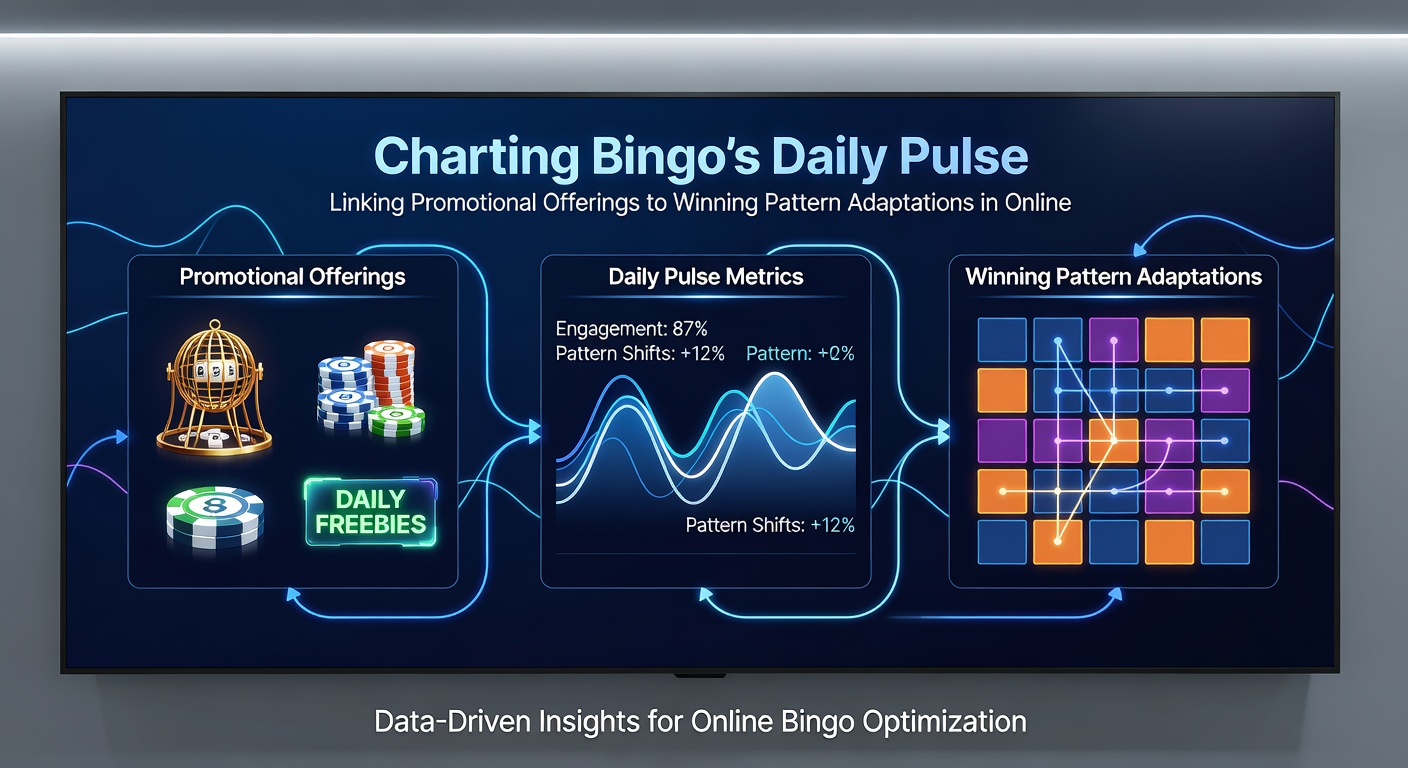
Traditional Halls Maintain Physical Adaptations
Community centers and bingo halls still rely on printed sheets and verbal reminders to steer attention toward the promoted pattern. Volunteers circle the target shape on large display boards at the start of each session. Players respond by laying out multiple cards in a grid that prioritizes the highlighted routes. Records from several mid-sized venues show that groups using this layout method claim the daily special prize more frequently than those who keep cards in random order.
Staff at these locations also adjust the speed of number calls when the promoted pattern is close to completion. Slower pacing gives participants extra seconds to mark numbers and reduces missed opportunities. Attendance logs from May 2026 indicate that halls employing this pacing technique maintained steady crowds even on weekday evenings when participation normally drops.
Cross-Format Player Behavior in 2026
Many regular players now maintain accounts on both online sites and local halls. They carry the same pattern preferences between environments. When a promotion features a particular shape online participants often request similar cards during their next hall visit. Venue managers report that these requests increased noticeably after synchronized promotion calendars appeared in early 2026.
According to findings from the Canadian Gaming Research Institute participants who alternate formats adapt pattern strategies within three sessions on average. The study tracked over four thousand players across two provinces and found consistent movement toward promoted configurations regardless of whether the game occurred on screen or on paper.
Measuring Outcomes Across Regions
State agencies in several jurisdictions began collecting pattern-specific win data in 2025 and continued the practice into 2026. Reports from the New Jersey Division of Gaming Enforcement show that rooms advertising pattern-linked bonuses recorded higher average payouts per session. The same reports note that both online and land-based operators experienced comparable percentage increases once promotions emphasized specific shapes.
These measurements help operators refine future offers. When certain patterns generate lower engagement managers shift the promotion to another configuration the following week. This rotation keeps daily specials fresh and maintains player interest across formats.
Conclusion
Daily promotions continue to guide how players approach winning patterns in bingo whether the game unfolds on a screen or in a physical hall. Operators coordinate offers with pattern emphasis and provide tools or reminders that support quick adaptation. Data collected through May 2026 demonstrates measurable alignment between promotional schedules and pattern selection across both online and traditional settings. This connection remains central to how the game evolves as operators and players respond to each day's featured configuration.