18 May 2026
Colorado Secretary of State Issues Quarterly Bingo and Raffle Newsletter Highlighting 2026 Reporting Deadlines and Data Releases
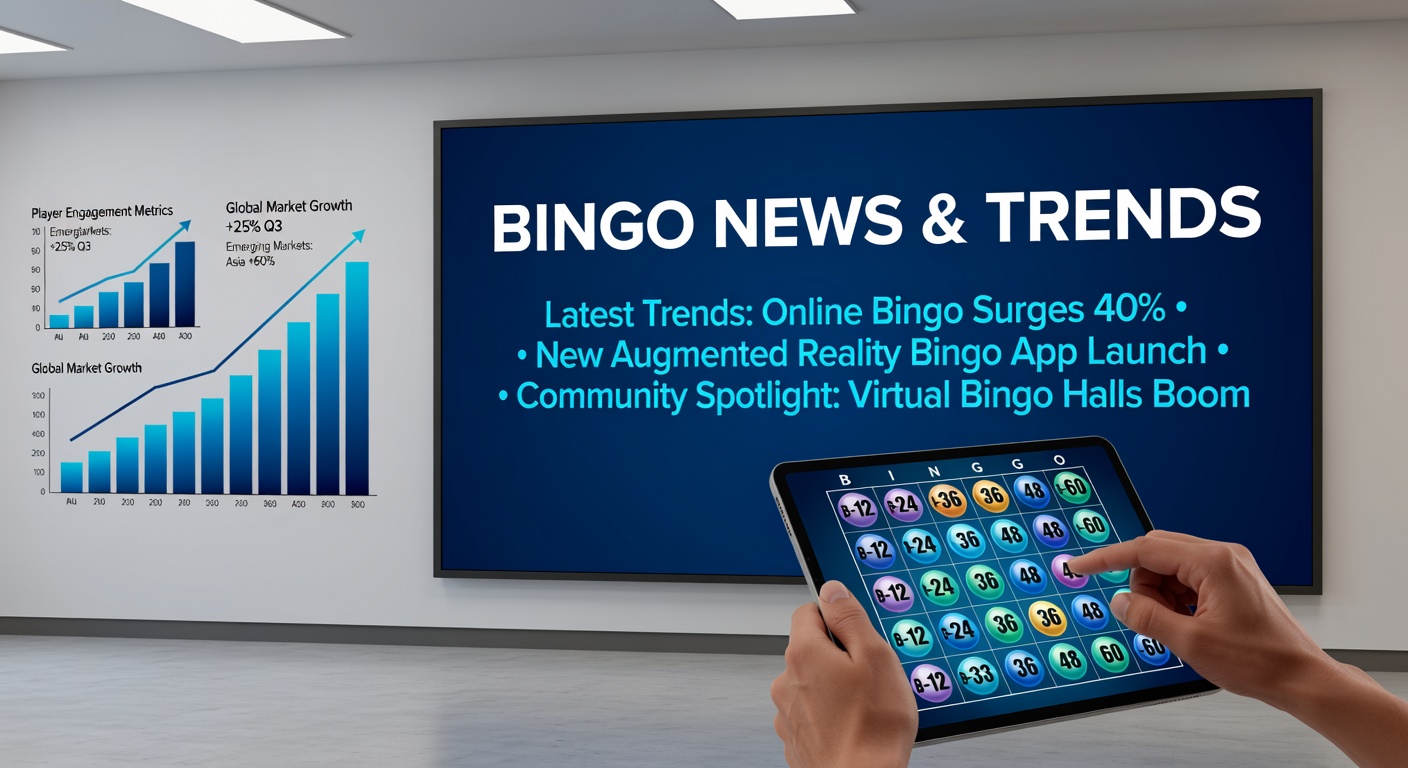
The Colorado Secretary of State released its latest quarterly Bingo and Raffle Newsletter to provide 2026 licensees with clear guidance on submitting LE-21 Quarterly Reports covering January through March 2026 activities by the April 30 deadline, while noting that a $75 late fee applies to any filings received after that date. Observers note that this routine communication arrives at a time when many charitable organizations across the state prepare their first-quarter materials, and the newsletter consolidates several practical reminders into one accessible update that helps groups stay aligned with regulatory expectations throughout the spring months and into May 2026 when final processing often occurs.
Electronic filing continues to gain ground, with 96 percent of groups now submitting their reports through digital channels that speed up processing and reduce administrative costs for both licensees and the state office. Those who've studied the shift report that online submissions cut down on paper handling and allow staff to focus more time on compliance reviews rather than manual data entry, which proves especially useful during peak reporting periods like the end of April. The newsletter emphasizes these advantages so organizations still using paper forms can consider making the change before the next quarterly cycle begins.
Updated Revenue Reports Cover Over a Decade of Data
The newsletter also announces the release of refreshed aggregate revenue reports along with revenue-by-licensee breakdowns that now include figures spanning 2013 through 2025, giving stakeholders a longer historical view of charitable gaming performance in Colorado. Researchers who track these numbers often discover patterns in how different types of organizations generate funds through bingo and raffles, and the extended dataset allows comparisons across economic cycles that affected participation rates. People reviewing the new materials can access the aggregate revenue report and revenue-by-licensee report directly through the Secretary of State's online portal for further analysis.
License renewal requirements for 2026 receive dedicated attention in the newsletter, which outlines the necessary steps and documentation that groups must complete to keep their operations active without interruption. Those familiar with the process understand that timely renewals prevent gaps in authorization, and the publication supplies checklists that help organizations gather the right forms and supporting materials ahead of their individual due dates. Observers note that clear renewal guidance reduces the chance of last-minute scrambles that can occur when multiple deadlines converge in the same quarter.
Board Meetings, Training, and Compliance Guidance
Colorado Charitable Gaming Board meetings appear on the newsletter's calendar section, providing dates and topics so interested parties can plan attendance or submit public comments in advance. Games manager training sessions receive similar coverage, with information on upcoming opportunities that help designated managers meet certification standards and stay current on operational best practices. Compliance tips round out the publication, covering common areas where organizations sometimes fall short and offering straightforward reminders about record-keeping, prize limits, and reporting accuracy that keep activities within established rules.
The Bingo-Raffles Law Handbook serves as a foundational reference that the newsletter encourages groups to consult when questions arise about specific regulatory language. Licensees who cross-reference the handbook with the quarterly reminders often find that minor adjustments to their internal procedures bring them into full alignment before any issues develop. Data from recent cycles shows that consistent attention to these details correlates with smoother audits and fewer corrective actions.
Looking Ahead to May 2026 Processing and Beyond
As April 30 passes, many organizations shift focus in May 2026 to confirming that their submissions have been received and processed without errors, which allows them to move forward with spring fundraising events. The newsletter's combination of deadline alerts, statistical updates, and training resources gives groups a single source they can return to throughout the year rather than hunting for scattered guidance. Those monitoring the charitable gaming sector note that steady improvements in electronic participation and data transparency support more efficient oversight while helping legitimate organizations continue their community work without unnecessary administrative burdens.
Conclusion
The quarterly newsletter functions as a practical checkpoint that keeps Colorado's bingo and raffle licensees informed about reporting obligations, available resources, and upcoming opportunities for professional development. By consolidating deadline information, revenue data releases, renewal details, board schedules, and compliance reminders into one document, the Secretary of State supports consistent adherence to regulations across the state. Organizations that incorporate these updates into their regular planning routines position themselves to meet each quarterly cycle with greater confidence and fewer surprises.