3 Aug 2026
Coordinating Across Venues: The Structure of Regional Bingo League Tournaments and Collective Prize Funds
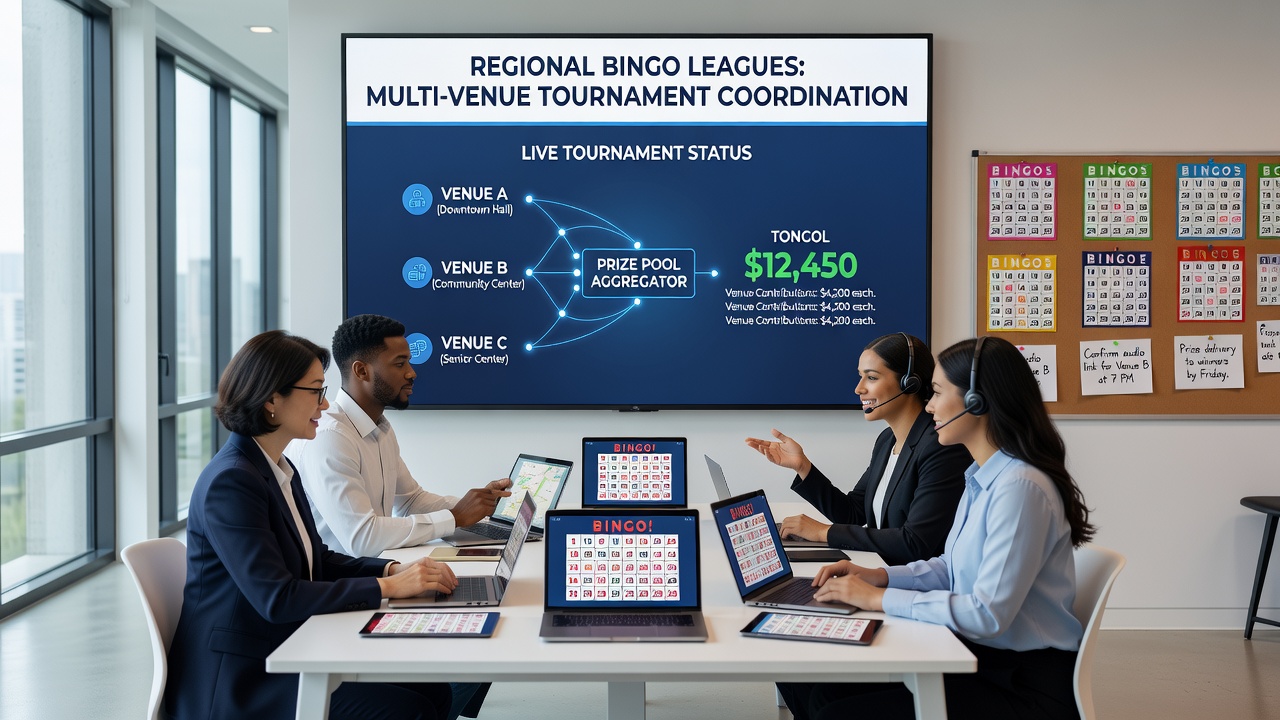
Regional bingo leagues manage multi-venue tournaments through centralized scheduling systems that link independent halls into synchronized events, and these networks rely on standardized rules plus shared databases to track entries and results across locations. Organizers establish agreements that define how each venue contributes to prize pools based on player numbers and ticket sales, while software platforms handle real-time updates so participants see unified leaderboards no matter which site they attend.
League Formation and Venue Agreements
Leagues typically begin when several bingo operators in a geographic area form associations that outline participation requirements, fee structures, and dispute resolution processes, and these pacts often include clauses for data sharing that allow instant verification of player eligibility. Venues sign contracts specifying minimum standards for equipment and staffing during league events, whereas smaller halls gain access to larger audiences through the collective structure. Data from August 2026 indicates that such agreements now cover more than 180 active regional networks across North America and parts of Europe, with average membership sizes ranging from eight to twenty-two locations per league.
Scheduling Multi-Venue Events
Coordinators use shared calendars to align tournament dates so that preliminary rounds occur simultaneously at every participating site, after which top scorers advance to centralized finals held at rotating venues. This approach requires precise timing adjustments for time zones and local regulations, and software tools automatically adjust session lengths when one location reports higher attendance than expected. Observers note that leagues in the Midwest United States frequently schedule events on alternating weekends to avoid conflicts with local holidays, while Australian leagues coordinate around major sporting fixtures to maintain steady participation numbers.
Managing Collective Prize Pools
Prize pools accumulate through percentage-based contributions from each venue's ticket revenue, and the formula usually allocates a fixed portion to the central fund while retaining the remainder for site-specific promotions. Transparent accounting systems distribute winnings proportionally to final standings, and independent auditors review monthly reports to confirm compliance with contribution rates. One league operating across the Canadian provinces of Ontario and Quebec reported a combined August 2026 prize pool exceeding $1.2 million, with funds drawn from 14 venues and distributed via electronic transfers within 48 hours of event completion.
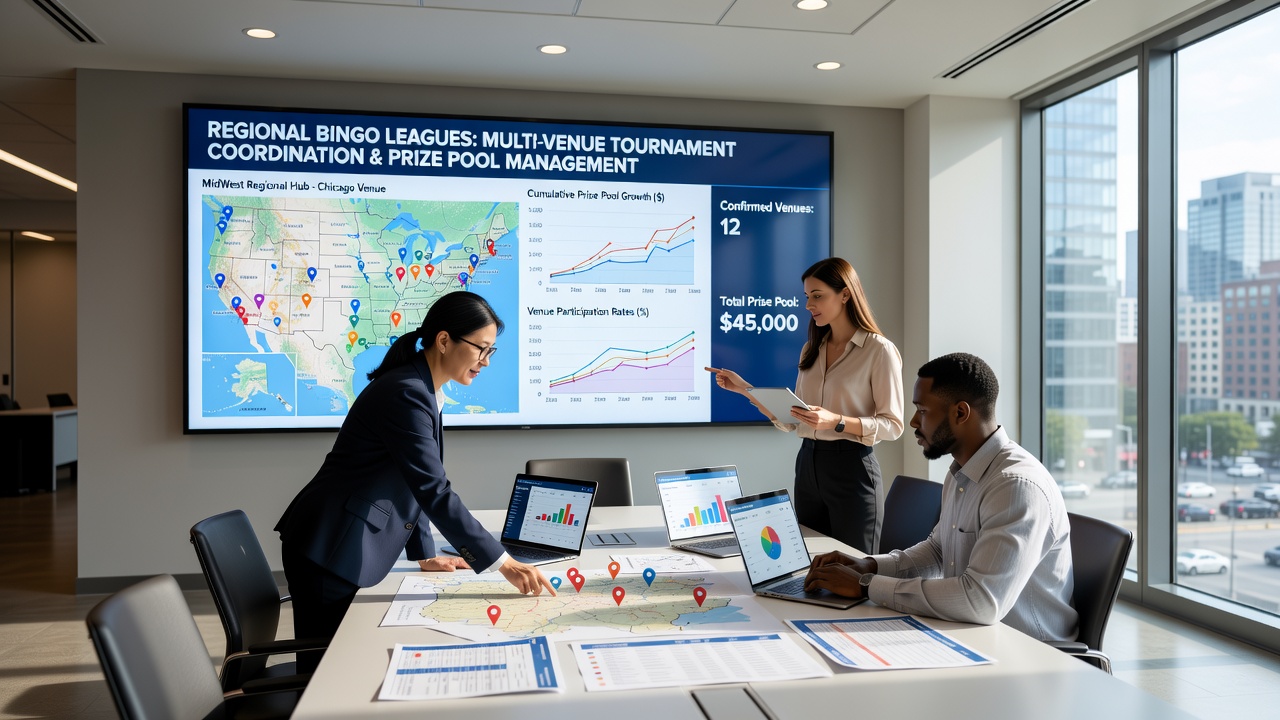
Regional bodies also set aside portions of the pool for secondary awards such as travel stipends for finalists or consolation prizes for early-round participants, and these allocations appear in publicly posted breakdowns that players can review before entering. According to figures from the New Zealand Department of Internal Affairs, similar contribution models have maintained consistent growth in multi-site events over the past three years because they reduce individual venue risk while increasing overall payout visibility.
Regulatory Compliance Across Jurisdictions
Leagues navigate differing state and provincial rules by maintaining separate compliance officers for each territory, and these specialists coordinate with gaming authorities to ensure that cross-border prize structures meet every applicable standard. Electronic reporting systems submit aggregated data to regulators within required timeframes, and venues receive automated alerts when contribution thresholds trigger additional oversight. The European Gaming and Betting Association has documented how regional bingo groups in several EU member states now use harmonized templates that simplify filings for multi-venue operations spanning more than one licensing area.
Technology and Real-Time Coordination
Digital platforms connect point-of-sale terminals at every site to a central server that updates prize totals and player rankings continuously, while mobile apps allow remote viewers to follow progress without visiting a physical location. Security protocols encrypt transaction records and limit access to authorized staff, and backup systems activate automatically during connectivity interruptions to prevent data loss. Leagues that adopted these integrated tools before August 2026 reported fewer administrative disputes because all parties share the same verified dataset throughout each tournament cycle.
Conclusion
Regional bingo leagues sustain multi-venue tournaments by combining contractual frameworks, synchronized scheduling, and pooled funding mechanisms that distribute risk and reward across participating sites. Technology supports transparent tracking, while regulatory coordination ensures operations remain compliant in every jurisdiction involved. These structures continue to evolve as new venues join existing networks and as reporting requirements adapt to updated data standards released in 2026.