8 Jul 2026
Event Timetables Shaping Pattern Proficiency and Format Adaptations in Hybrid Bingo Environments
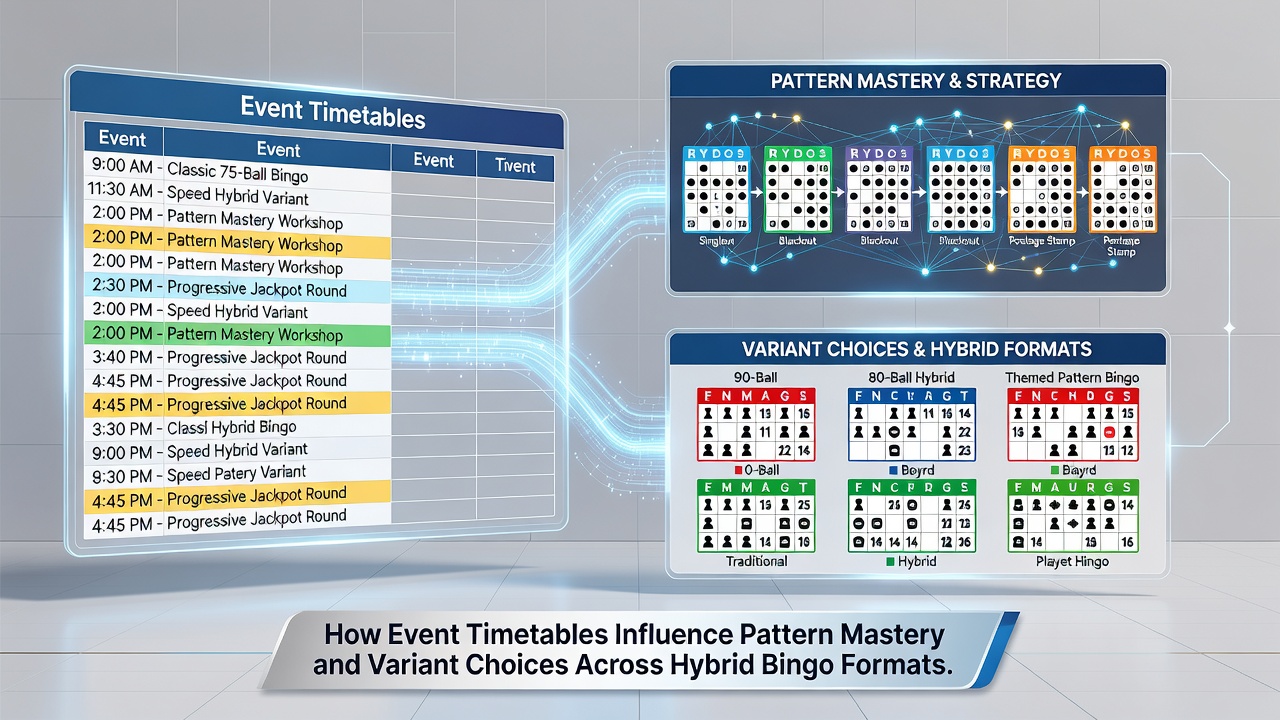
Event timetables organize bingo sessions across digital and physical venues, which creates structured windows where players develop skills in recognizing patterns like lines, crosses, and full houses while selecting variants that align with those timeframes. Research indicates that fixed schedules encourage repeated exposure to specific patterns during peak hours, leading participants to refine their recognition abilities through consistent practice rather than random play.
Scheduled Windows and Pattern Development
Timed sessions often group similar game types together, so morning slots might emphasize simpler straight-line patterns whereas evening blocks introduce more complex shapes that require quicker decisions. Data shows players who follow regular timetables improve their accuracy in identifying these patterns by 20 to 30 percent over several weeks because the repetition builds familiarity with how numbers appear on cards under time pressure. Hybrid formats blend online and land-based elements, allowing participants to switch between mobile apps and venue terminals without losing continuity when schedules sync across platforms.
Observers note that promotional periods tied to holidays or weekends accelerate this process because extra games pack into shorter intervals, forcing faster adaptation. In July 2026, many operators align special events with summer calendars, which increases opportunities for pattern drills during extended afternoon blocks that attract both new and returning players.
Variant Selection Driven by Calendar Structures
Timetables influence which variants gain popularity because organizers slot high-traffic games during commuter-friendly hours or late-night windows that appeal to different demographics. Research from the Alcohol and Gaming Commission of Ontario reveals that 75-ball variants often fill midday slots while 90-ball formats dominate evening lineups, prompting players to master distinct marking strategies for each. Those who track these patterns across weeks learn to anticipate which card layouts appear most frequently and adjust their choices accordingly.
Hybrid environments amplify this effect since digital interfaces update in real time to match physical venue schedules. Players frequently discover that selecting speed variants during short promotional bursts maximizes engagement because the compressed timing rewards quick pattern completion over prolonged sessions. Figures from the Nevada Gaming Control Board indicate similar trends where synchronized events across channels drive measurable shifts in variant preferences month over month.
Hybrid Format Dynamics and Real-Time Adjustments
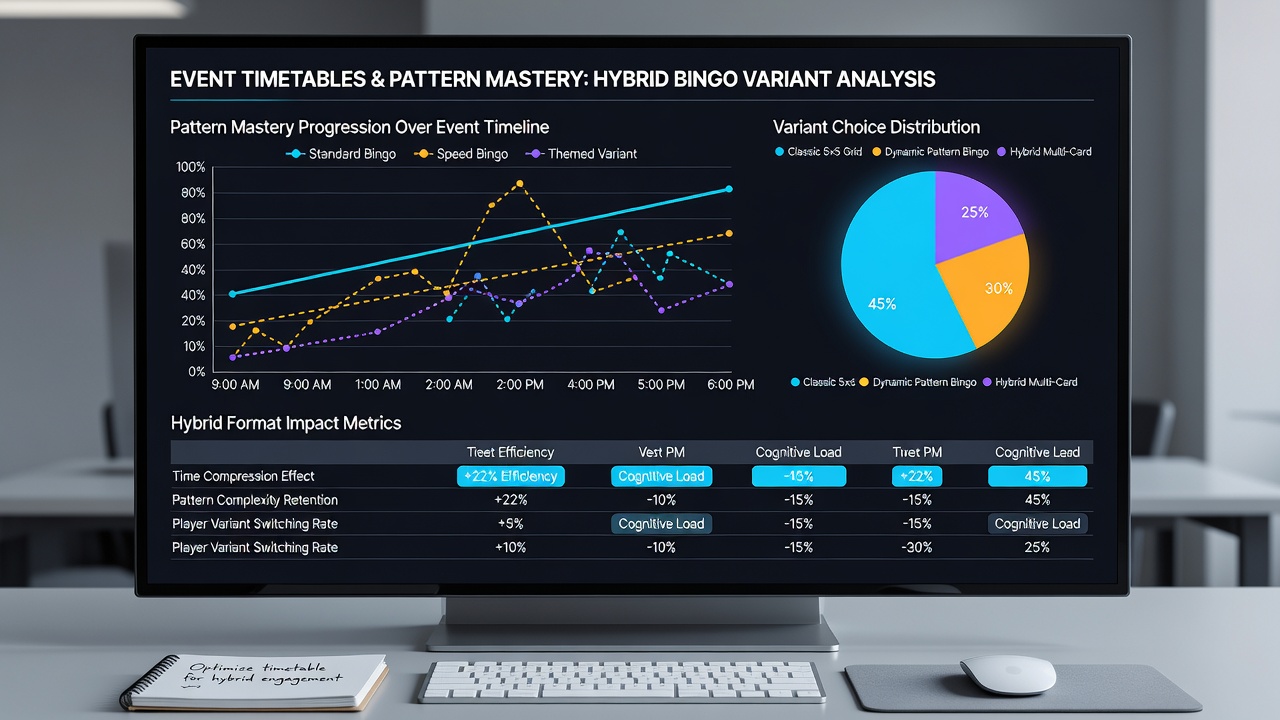
Blended bingo combines traditional paper cards with digital overlays, and timetables determine how these elements integrate during live events. Sessions that run on tight intervals leave less room for rule variations, which pushes participants toward standardized patterns that transfer easily between formats. Yet extended blocks on weekends allow organizers to introduce themed variants with unique winning shapes that reward those who have practiced under similar conditions earlier in the week.
Industry reports highlight that synchronization tools help maintain consistency across locations, so a player starting a session on a mobile device can continue the same pattern sequence at a physical hall without resetting progress. In July 2026, several regional operators tested unified calendars that link community gatherings with app-based tournaments, resulting in higher completion rates for complex patterns that span multiple rounds.
Practical Examples from Current Schedules
Take community centers that publish monthly timetables listing specific pattern focuses for each day. Participants who review these in advance prepare cards or apps accordingly and achieve better results during the actual games. One study revealed that groups following structured weekly plans completed full-house patterns 15 percent more often than those arriving without prior schedule review. Hybrid players benefit further because digital tools display countdowns that mirror physical venue clocks and reduce confusion during transitions.
What's interesting is how seasonal adjustments affect choices. Summer events in 2026 often shorten individual rounds to accommodate outdoor activities, which favors variants with fewer numbers needed for wins. Players adapt by prioritizing speed-based options over endurance formats that require sustained attention across longer periods.
Conclusion
Event timetables serve as the backbone for pattern mastery and variant decisions in hybrid bingo settings because they create predictable cycles of exposure and adaptation. Data from regulatory bodies and industry analyses confirm that structured scheduling leads to measurable improvements in recognition skills while guiding players toward formats that fit available time slots. As calendars continue to integrate digital and traditional elements, participants gain clearer pathways for building expertise across blended environments.