29 May 2026
Inside the Mechanics of Pattern Recognition During Promotional Windows Across Bingo Formats
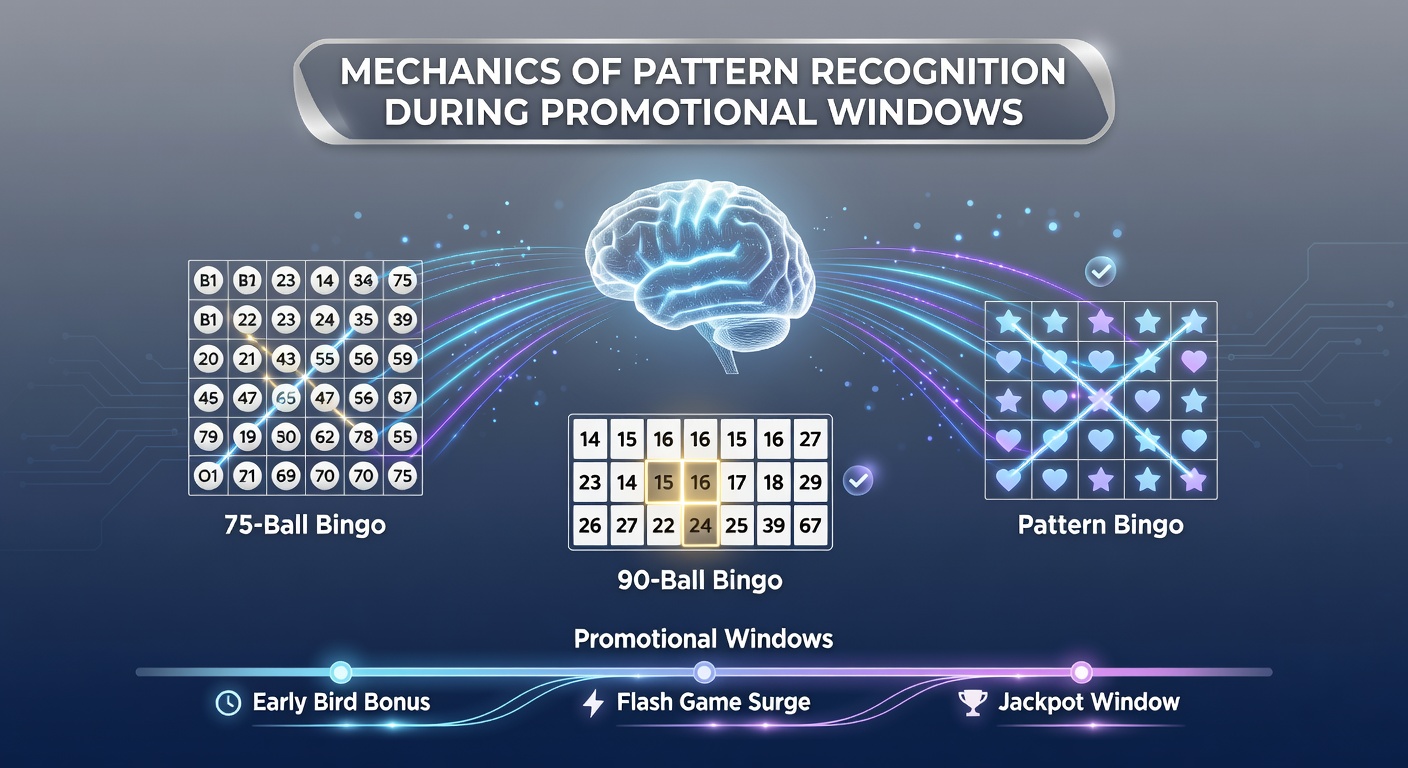
Pattern recognition in bingo operates through specific cognitive and structural processes that shift when promotional windows open across different game formats. Observers note that these windows, typically lasting from several hours to a full week, alter payout structures and introduce bonus patterns that require players to adjust their visual scanning techniques while maintaining accuracy under time pressure.
Research from gaming industry reports shows that 75-ball bingo, common in North American venues, relies on five-by-five grids where players track horizontal, vertical, and diagonal lines plus specialty shapes during promotions. In contrast, 90-ball formats prevalent in European and Australian markets use three-by-nine tickets focused on horizontal lines and full-house completions, creating different recognition demands when limited-time multipliers activate.
Structural Differences Across Formats
Data indicates that promotional periods in 75-ball games often emphasize corner patterns or blackout sequences, while 90-ball events highlight specific line combinations or colored number groupings. Those who have studied player behavior across regions report that digital platforms accelerate these mechanics through automated highlighting tools, whereas traditional hall settings depend entirely on manual card marking and auditory number calls.
One analysis of multi-format operators revealed that May 2026 saw increased deployment of hybrid promotions blending 75-ball speed rounds with 90-ball accumulation bonuses, requiring participants to switch recognition strategies mid-session. Industry organizations such as the American Gaming Association have documented how these shifts affect engagement metrics in both physical and online environments.
Cognitive Processes in Real-Time Recognition
Experts have observed that pattern recognition during promotional windows engages selective attention mechanisms where players prioritize high-value shapes over standard lines. In online formats, interface designs use color overlays and timers to guide this focus, while land-based play depends on spatial memory and peripheral vision to monitor multiple cards simultaneously.
Studies found that players in promotional settings process number sequences faster when familiar patterns align with bonus rules, although the introduction of new shapes can temporarily increase error rates until adaptation occurs. What's interesting is how digital bingo applications in 2026 incorporated predictive algorithms that preview potential promotional patterns based on historical call data, allowing users to pre-mark cards in anticipation.
Adaptation in Promotional Environments
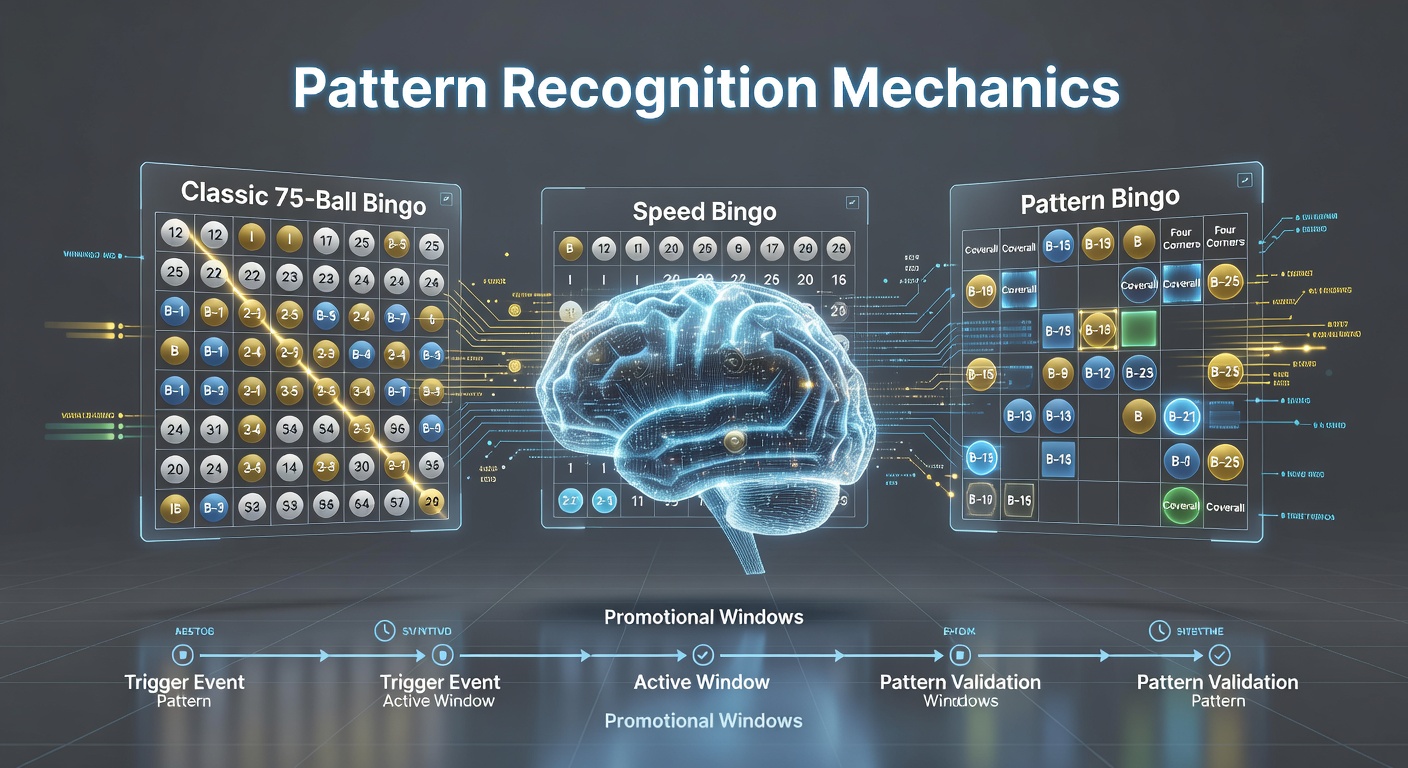
Figures from regulatory data releases show that promotional windows in May 2026 correlated with measurable increases in multi-card play across both traditional and mobile bingo formats. Players adapt by developing modular recognition strategies that treat standard lines as base layers and overlay promotional shapes as conditional targets.
Academic research on visual cognition in gaming contexts has examined how these adaptations vary by format density. In denser 90-ball tickets, recognition leans on chunking techniques where groups of numbers are scanned as units rather than individuals, whereas 75-ball grids support more linear tracking methods that promotions can readily disrupt and then reinforce through targeted incentives.
Cross-Format Implementation Patterns
Those who've examined operator reports note that cross-format promotions often synchronize pattern sets so that skills developed in one variant transfer partially to another. For example, diagonal recognition practiced in 75-ball events during bonus windows can aid identification of angled number sequences in speed bingo variants offered on the same platform.
Regulatory bodies in multiple jurisdictions, including quarterly data from Canadian provincial gaming authorities, indicate that May 2026 promotions emphasized pattern variety to maintain engagement across demographic groups. This approach required clear communication of rule changes through in-game notifications and printed materials in halls to support accurate recognition without confusion.
Conclusion
Pattern recognition during promotional windows across bingo formats depends on the interplay between game structure, interface design, and player adaptation strategies. Data from industry sources continues to track how these mechanics evolve with seasonal campaigns and technological updates, providing ongoing insight into operational adjustments in both digital and traditional settings.