15 Jul 2026
The Role of Weekly Scheduling in Adapting Strategies for Multiple Bingo Formats
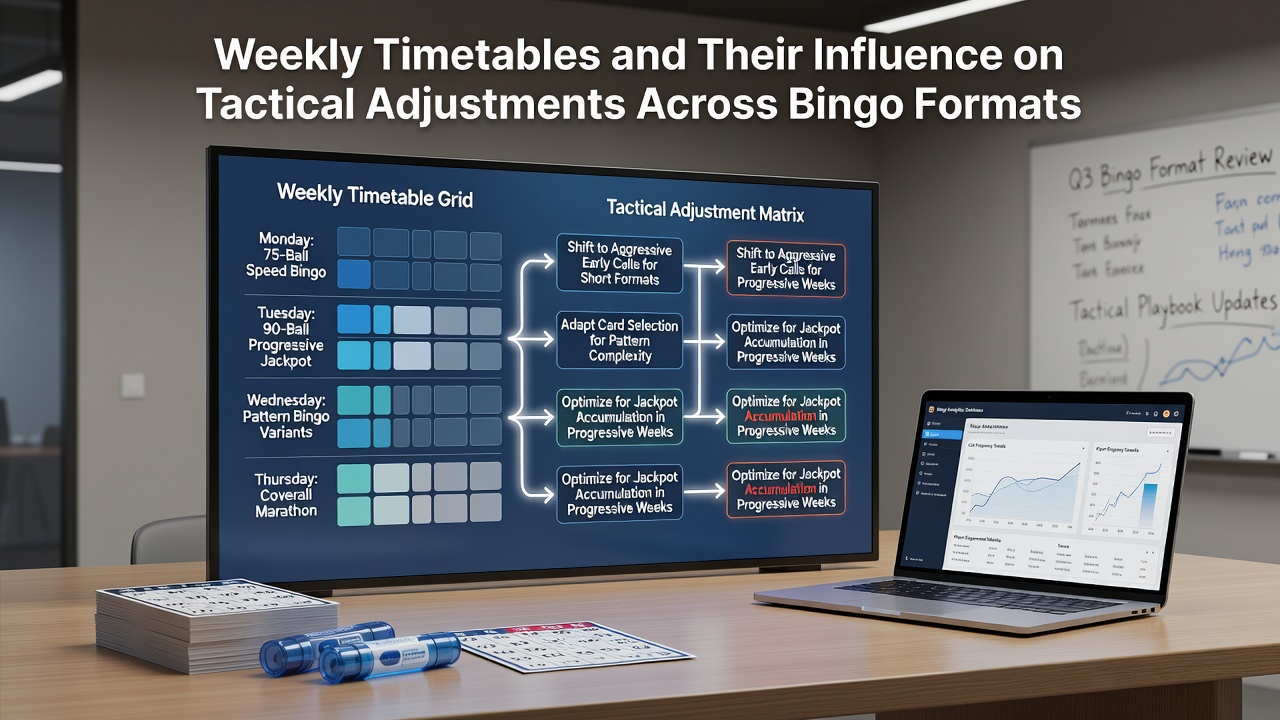 Weekly timetables organize bingo sessions into predictable patterns that shape how participants approach different game variants, and data from regulatory reports indicate these structures prompt measurable shifts in player tactics throughout each seven-day cycle. Operators release schedules that list morning, afternoon, and evening slots, while formats range from 90-ball traditional play to 75-ball speed variants and 80-ball hybrids, and the alignment of these elements creates recurring opportunities for adjustment. Research from the Ontario Lottery and Gaming Corporation shows that mid-week sessions often feature higher volumes of promotional patterns, whereas weekend blocks emphasize standard sequences, and players respond by reallocating focus toward pattern recognition tools on those specific days. This synchronization extends across both physical venues and mobile applications, where calendar integration allows real-time updates to session availability.
Daily Variations Within Weekly Structures
Monday through Thursday timetables typically allocate shorter sessions that favor quick-win formats, and operators adjust prize pools accordingly to maintain steady participation levels. Observers note that participants who track these patterns modify their entry timing, selecting variants that align with lower competition windows rather than peak evening crowds. Friday schedules introduce extended blocks that blend multiple formats, creating transitions between 90-ball and 75-ball games within single sittings, while data collected in early 2026 revealed increased usage of pattern-tracking features during these crossover periods.
Saturday and Sunday timetables expand to include community events and longer runs, yet the inclusion of seasonal adjustments around July 2026 public holidays prompted several operators to insert additional 80-ball rounds into existing slots. Those adjustments required participants to recalibrate selection criteria, switching between speed-focused apps and traditional hall strategies as the week progressed.
Format-Specific Tactical Responses
Traditional hall play relies on physical daubing and social observation, so weekly timetables influence seating choices and session duration decisions. Digital platforms, by contrast, integrate automated pattern alerts that sync with published schedules, allowing users to pre-select games based on day-of-week analytics released by operators. Studies from the University of Nevada, Las Vegas gaming research group found that players who review weekly grids in advance demonstrate higher completion rates across variant switches, particularly when moving between standard and promotional pattern sets.
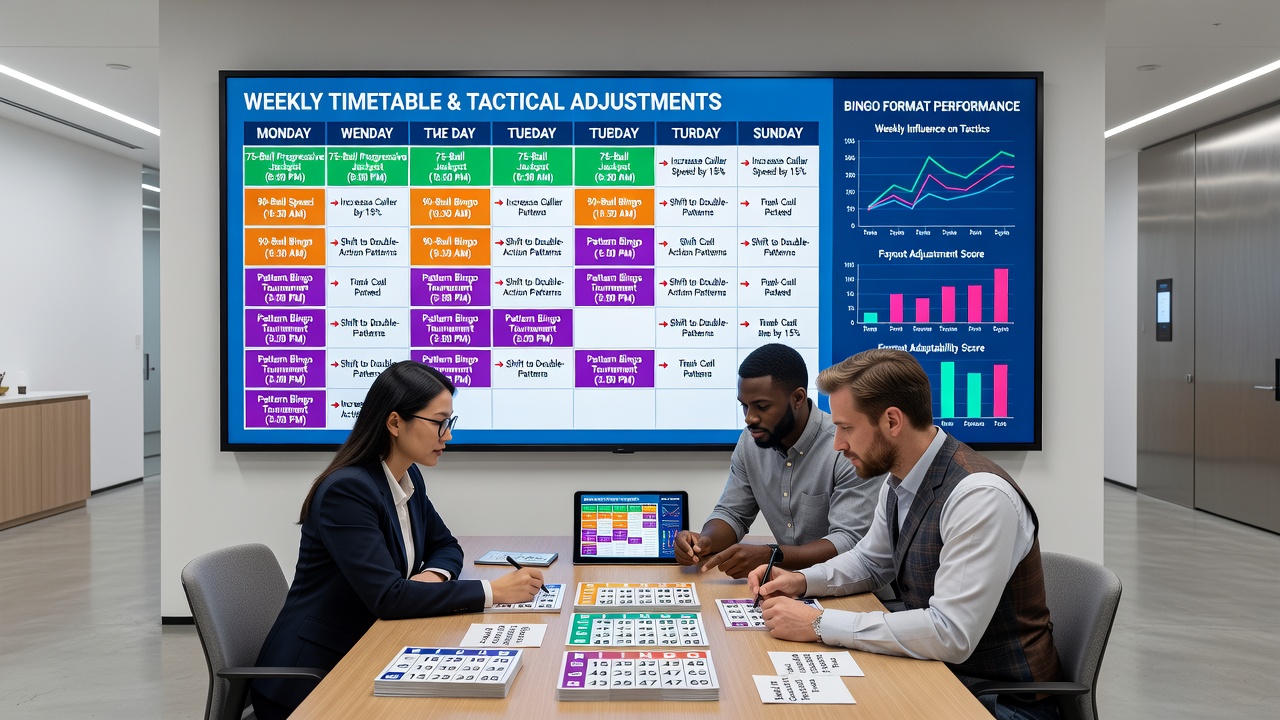 Hybrid formats combine elements of both environments, and July 2026 updates to several platforms introduced calendar overlays that flag timetable changes automatically. Participants in these systems often alternate between manual tracking in halls and app-based notifications during teh same week, responding to shifts in session length or pattern emphasis without altering overall participation volume.
Regional Schedule Influences and Data Trends
European operators following guidelines from the Malta Gaming Authority publish weekly grids that incorporate cross-border event timing, and figures released in mid-2026 indicated measurable upticks in variant switching during weeks containing multiple national holidays. Australian data compiled by state gaming commissions similarly highlighted how timetable density affects player movement between 75-ball and 90-ball options, with denser Friday blocks correlating to broader format experimentation.
These regional patterns demonstrate consistent responses to weekly structures, where operators adjust prize distributions and pattern frequencies to match anticipated attendance curves derived from historical participation records.
Conclusion
Weekly timetables function as foundational frameworks that guide tactical adaptations across bingo formats by establishing recurring rhythms of session availability, pattern emphasis, and promotional alignment. Data from multiple regulatory and academic sources confirm that participants and operators alike respond to these structures through scheduling reviews, format switches, and tool utilization that track day-specific variables. As July 2026 schedules continue to incorporate seasonal and regional adjustments, the interplay between published timetables and strategic responses remains a measurable component of bingo operations across traditional, digital, and hybrid environments.