26 Jun 2026
Tracking Player Responses to Bingo Format Evolutions and Incentive Schedules in Digital-Venue Hybrids
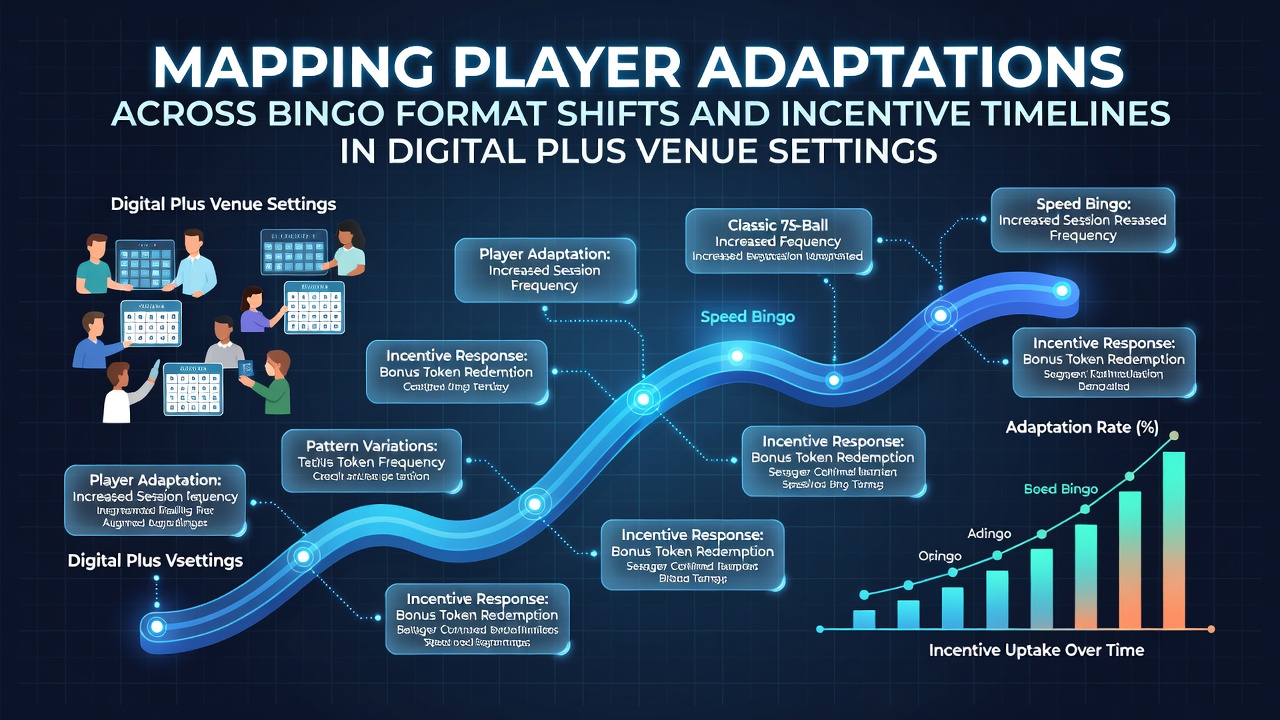
Observers note that bingo participants frequently adjust their approaches when moving between 90-ball, 75-ball, and speed variants while digital platforms and traditional halls layer time-sensitive rewards on top of those changes. Data from industry monitoring shows these adaptations often cluster around specific calendar points where promotions align with rule modifications or new game modes.
Research indicates that players in hybrid settings track incentive windows closely because bonuses tied to deposit thresholds or session lengths can shift optimal play patterns within hours. Those who study participation logs find that digital users switch formats more rapidly than venue-only participants, especially when apps push notifications about limited-time pattern multipliers.
Format Shifts and Initial Player Adjustments
Format transitions require participants to recalibrate number selection habits and payout expectations within the same day or week. Evidence from venue records reveals that individuals who regularly attend physical sessions on Monday evenings often migrate to digital 75-ball rooms on Tuesday when operators introduce flash rewards for completing multiple cards.
Studies show that pattern recognition speed changes noticeably when players encounter a new ball count or grid size; experienced users develop mental shortcuts for common winning lines while novices rely more on automated daubing tools. June 2026 data releases from several regional gaming authorities highlight a measurable uptick in cross-format sessions during the first two weeks of each month when operators refresh their promotional calendars.
Incentive Timelines and Behavioral Mapping
Timed incentives create predictable spikes in activity followed by cooling periods as rewards expire. Figures from operator analytics demonstrate that players extend session durations by an average of 18 minutes when cumulative bonuses activate during evening peak hours, whereas morning incentives produce shorter, more targeted play bursts.
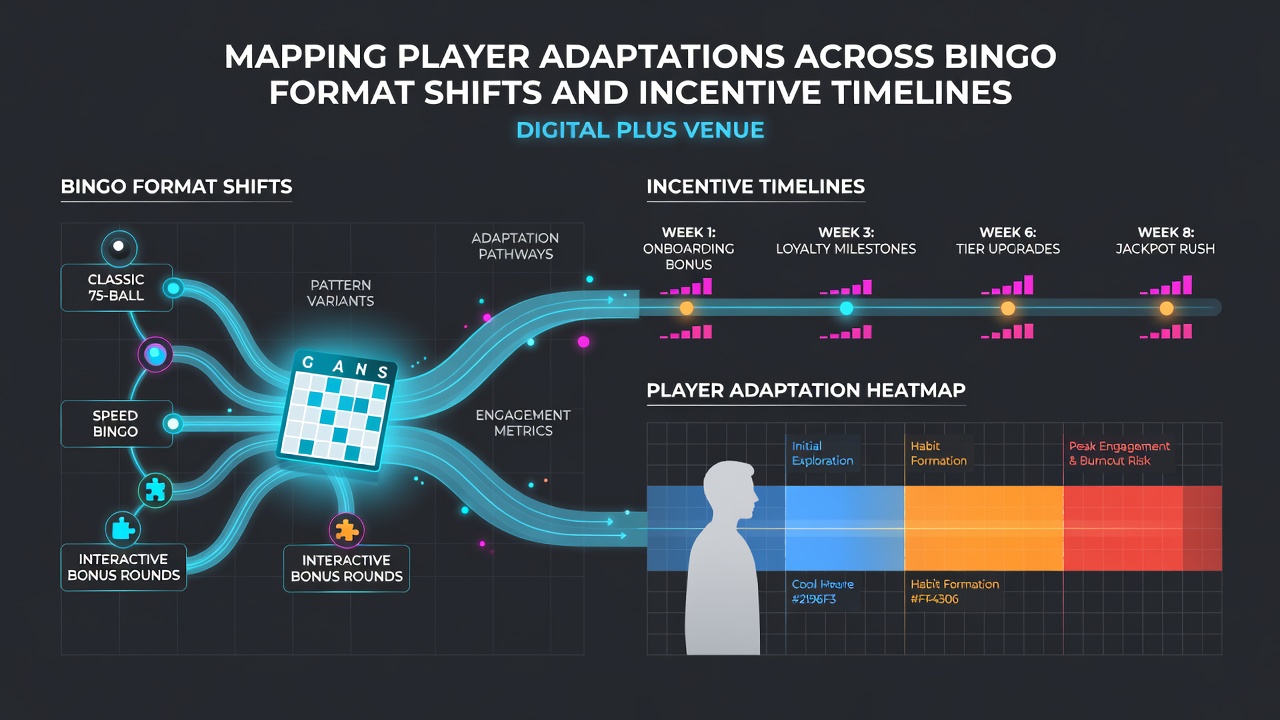
Those monitoring multi-platform accounts report that users frequently set calendar reminders for weekly jackpot boosts and seasonal events because missing a window can reset progress toward loyalty tiers. What's notable is how digital interfaces now embed timeline visualizations directly into lobby screens, allowing participants to see overlapping promotions across formats without leaving the application.
Hybrid Environment Dynamics in Mid-2026
Hybrid environments combine physical venue protocols with app-based synchronization, creating situations where players alternate between card-based and screen-based play within a single evening. Reports compiled by the Victorian Commission for Gambling and Liquor Regulation document increased use of venue loyalty cards that link directly to digital accounts, enabling seamless transfer of incentive progress when participants move locations.
One study revealed that participants in these settings adapt by prioritizing formats that currently carry the highest multiplier value, even if that requires learning new daubing interfaces mid-session. Observers note that June 2026 updates to several major platforms introduced real-time format switching tools that reduce friction for these transitions.
Regional Variations in Adaptation Patterns
Adaptation rates differ across jurisdictions because local regulations shape how incentives can be structured and how quickly formats can rotate. Data compiled by the Australian Institute of Family Studies indicates that participants in regulated markets with transparent reporting requirements show steadier cross-format movement than those in less monitored regions.
Industry reports further indicate that venue operators in North America often coordinate incentive timelines with digital partners to capture seasonal tourism spikes, whereas European markets tend to emphasize weekly recurring rewards that encourage habitual rather than opportunistic play.
Conclusion
Player adaptations across bingo format shifts and incentive timelines reflect measurable responses to structured reward systems operating in both digital and physical spaces. Available records demonstrate that synchronization between calendars and game rules produces distinct behavioral clusters that operators continue to refine through 2026. Continued monitoring by regulatory bodies and research organizations provides the factual basis for understanding these ongoing adjustments without reliance on individual anecdotes.