20 Jul 2026
Weekly Bingo Venue Circuits: Tactical Adjustments Across Multiple Locations

Multi-venue bingo circuits operate on predictable weekly rhythms that require participants to shift approaches based on day-specific schedules, pattern rotations, and incentive structures. Data from regional gaming associations show that attendance patterns fluctuate significantly between Monday night sessions and weekend peaks, with many circuits reporting 25 to 40 percent higher turnout on Fridays and Saturdays according to figures released by the North American Association of State and Provincial Lotteries.
Those who track multiple locations often begin the week by mapping early-session patterns that appear more frequently on Tuesdays and Wednesdays. Research from industry reports indicates these slower nights favor simpler line formations while later week events introduce progressive jackpot overlays that reward diagonal and blackout adaptations instead.
Day-by-Day Pattern Adjustments
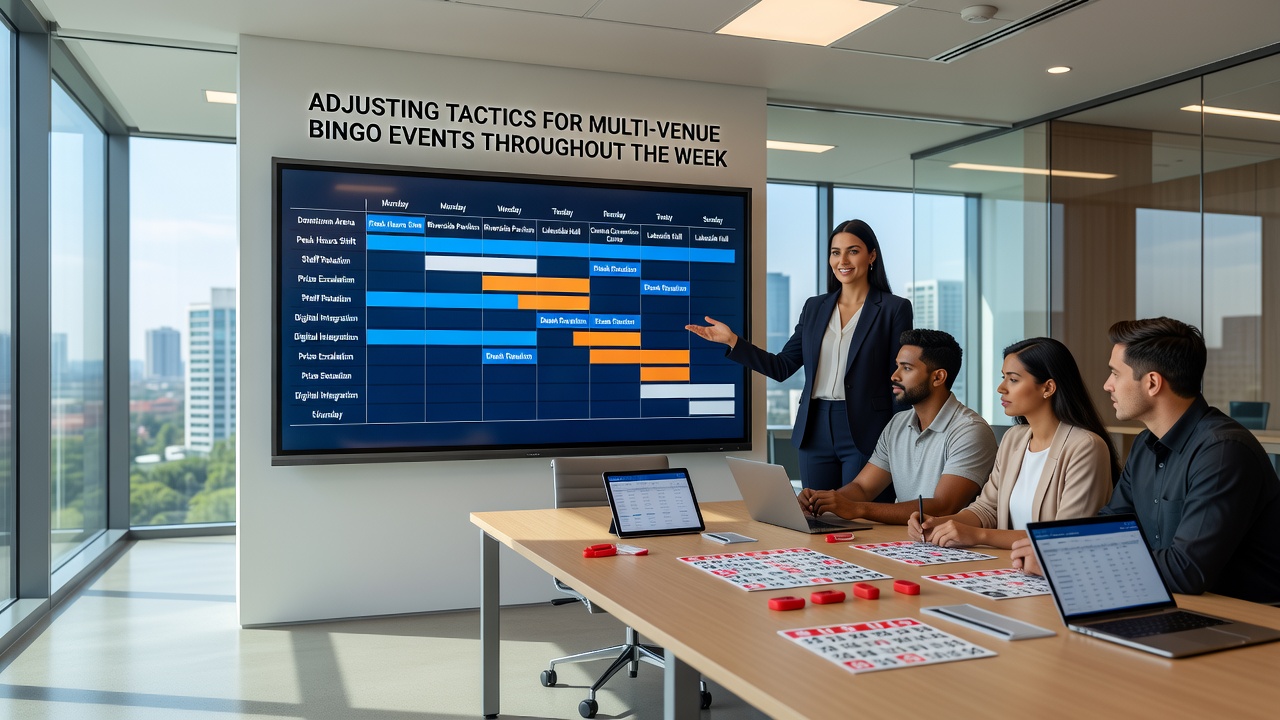
Monday through Wednesday circuits tend to emphasize standard 75-ball formats with limited side games, so observers note that players frequently concentrate on core number groupings rather than chasing complex shapes. By Thursday the landscape changes as many venues introduce early-bird rounds that align with community event calendars, prompting a tactical pivot toward speed-based marking techniques that cover multiple cards efficiently.
Friday and Saturday sessions bring the highest volume of promotional overlays, including matched play bonuses and pattern multipliers tracked by several state regulatory bodies. Experts at the Gaming Policy Institute have documented that these incentives drive participants to maintain separate tracking sheets for each venue's unique prize tiers rather than relying on a single unified strategy.
Venue-Specific Timing Considerations
Timing synchronization across locations becomes essential when circuits span both traditional halls and digital platforms. July 2026 calendars show several regional operators releasing updated session start times that shift by 15 to 30 minutes depending on local traffic patterns and regulatory reporting windows. Those managing multi-venue attendance typically build buffer periods into their schedules to account for these variations while preserving access to early round entries.
Digital integration adds another layer because mobile apps from different operators release real-time pattern updates at staggered intervals. Data compiled by academic researchers at the University of Nevada Reno's gaming studies program reveals that players who refresh multiple apps simultaneously gain earlier visibility into emerging hot patterns during peak evening windows.
Resource Allocation Across the Circuit
Card purchasing strategies shift throughout the week as venues adjust minimum buy-in requirements. Early week sessions often feature lower entry thresholds that allow wider card spreads, whereas weekend events concentrate value in bundled packages that reward consistent attendance across consecutive nights. Analysts tracking these trends report that participants who segment their weekly budget into daily allocations maintain better coverage without overspending on any single location.
Transportation logistics also factor into weekly planning. Several circuits in North America coordinate shuttle services between partnered venues on specific evenings, reducing travel friction for those attending consecutive sessions. Regulatory filings from the Ontario Lottery and Gaming Corporation indicate that these coordinated services correlate with measurable increases in multi-venue participation rates during summer months including July 2026.
Pattern Recognition and Record Keeping
Maintaining venue-specific logs helps identify recurring sequences that emerge on particular days. One documented approach involves color-coding cards by location so that historical data remains segregated even when players rotate through four or five sites in a single week. Industry observers have noted that this method reduces errors when transitioning between 75-ball and 90-ball variants that appear on different circuits.
Side game integration adds further complexity because many venues activate these options only during designated time blocks. Participants who review each location's weekly flyer before arrival can decide in advance whether to allocate additional funds for these supplementary rounds or focus exclusively on main session patterns.
Conclusion
Effective navigation of multi-venue bingo circuits throughout the week relies on systematic preparation that accounts for daily pattern variations, promotional timing, and logistical constraints. Those who compile venue calendars, maintain segregated tracking methods, and align their attendance with documented schedule changes position themselves to respond fluidly as conditions shift from one evening to the next.