3 Jun 2026
When Venue Protocols Meet Timed Incentives: Mastering Variant Patterns as a Newcomer in Scheduled Bingo Sessions
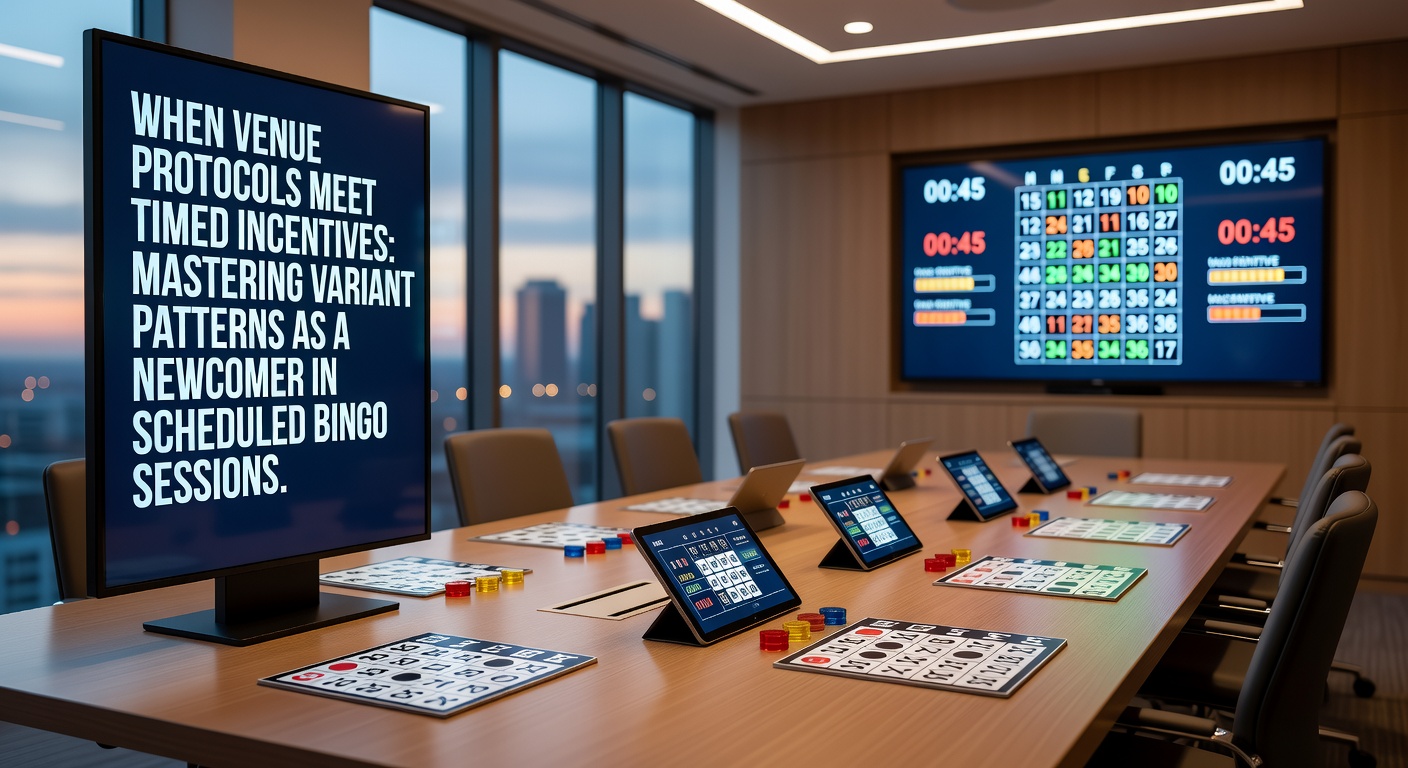
Venue protocols establish the framework for how scheduled bingo sessions operate, including entry requirements, session timing, and adherence to local gaming regulations that shape every aspect of play. These rules intersect directly with timed incentives such as limited-hour bonuses or pattern-specific rewards that activate only during designated windows, creating opportunities for players who understand both elements simultaneously.
Venue Protocols Shape Session Structures
Scheduled bingo sessions follow strict operational guidelines that cover everything from card distribution methods to verification processes after each call sequence. Observers note that protocols often dictate how many cards participants may purchase per round while maintaining compliance with capacity limits and equipment standards across different facilities. Data from regional gaming authorities shows these standards vary by jurisdiction yet consistently emphasize orderly progression through multiple game variants within a single session block.
Protocols also determine when certain patterns become eligible for play, since some venues rotate winning configurations according to fixed calendars that newcomers must learn quickly. Research indicates facilities in North America typically publish these rotations in advance through printed schedules or digital displays, allowing participants to prepare pattern strategies ahead of time.
Timed Incentives Create Dynamic Opportunities
Timed incentives appear as promotional overlays that reward specific achievements only during set intervals, such as early-bird pattern completions or late-session multipliers that expire at predetermined cutoffs. These offers frequently align with venue calendars to boost attendance during slower periods, and figures from industry reports reveal participation rates increase when incentives tie directly to variant patterns rather than standard line wins.
Newcomers encounter these incentives most often in evening blocks where venues layer additional rewards onto existing protocols without altering core session rules. What's interesting is how the combination forces quick adaptation, since missing a timed window means losing access to enhanced payouts tied to particular patterns like postage stamps or blackout configurations.
Variant Patterns Require Pattern Recognition Skills
Bingo variants extend beyond traditional horizontal lines to include shapes such as diamonds, arrows, and letter formations that demand precise number tracking across multiple cards. Scheduled sessions introduce these patterns in sequence, and protocols require players to declare wins only when the exact configuration matches the announced variant for that round.
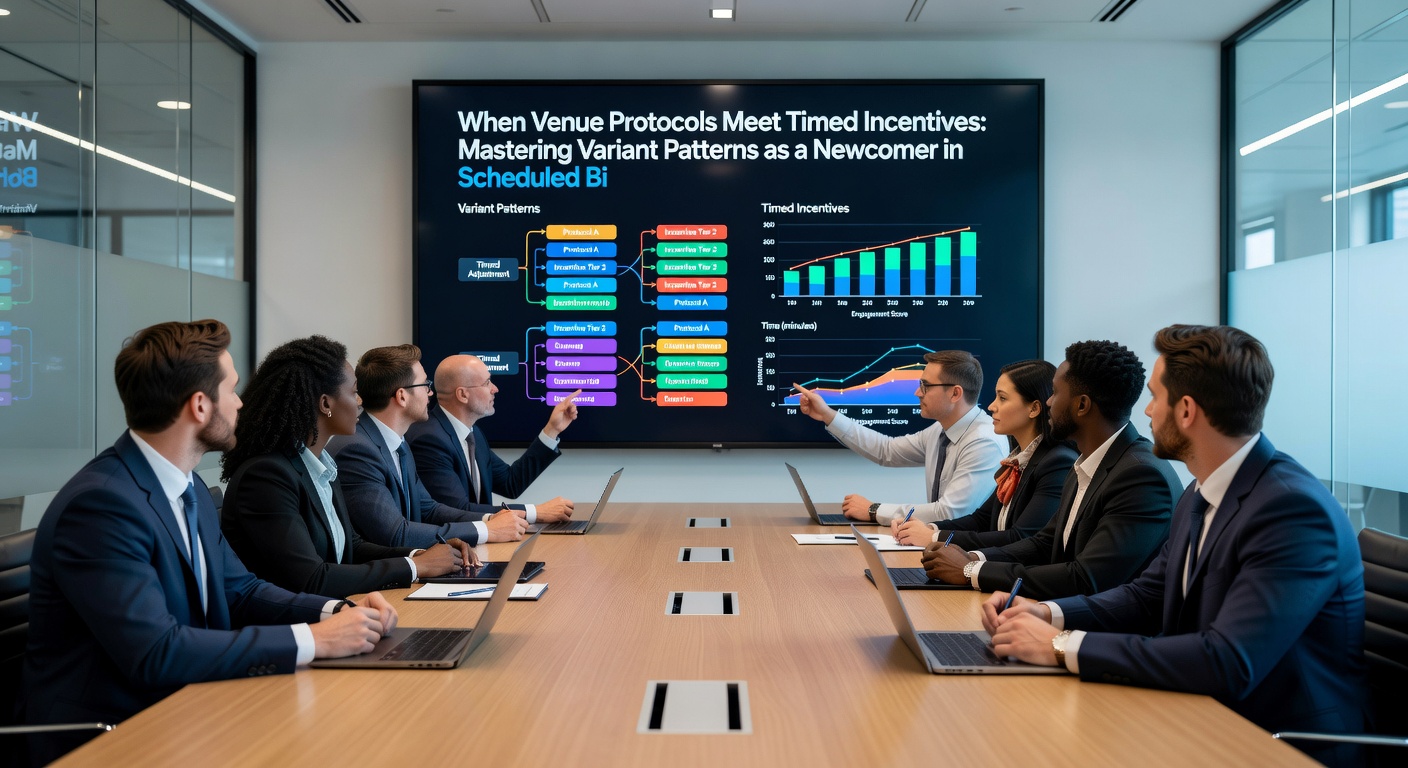
Mastery begins with recognizing how protocols restrict pattern changes mid-session while timed incentives reward those who switch focus rapidly between variants. According to data released by the Alcohol and Gaming Commission of Ontario, structured pattern training programs correlate with higher completion rates among first-time attendees in timed promotional windows.
Take one researcher who tracked newcomer progress across multiple venues and discovered that participants who studied pattern diagrams beforehand adapted faster when incentives activated. The same study noted that facilities using visual aids posted near playing areas helped reduce errors during complex variant rounds.
June 2026 Developments in Scheduled Play
In June 2026 several jurisdictions introduced updated reporting requirements for venues running timed incentive programs alongside variant pattern sessions, prompting operators to refine their scheduling systems. These changes emphasize transparency around incentive activation times and pattern eligibility, giving newcomers clearer information before sessions begin.
Industry organizations such as the Bingo Association have documented how these updates affect session flow, particularly when protocols mandate separate verification steps for incentive-eligible patterns. Participants benefit from reviewing the latest venue calendars that now incorporate both regulatory updates and promotional timing details.
Practical Approaches for Newcomers
New players succeed when they align pattern study with venue protocol knowledge before attending scheduled sessions that feature timed incentives. Starting with simpler variants like single lines builds familiarity, then progressing to shaped patterns becomes smoother once basic rules feel automatic.
Observers note that reviewing incentive terms in advance prevents confusion when protocols require specific declarations for bonus-eligible wins. Resources from the National Council on Problem Gambling provide general guidance on responsible participation that applies across different incentive structures and session formats.
Those who've studied this process often discover that combining printed pattern charts with real-time session observation accelerates learning, especially during periods when multiple incentives overlap within one scheduled block.
Conclusion
Venue protocols and timed incentives together define the landscape newcomers must navigate when learning variant patterns in scheduled bingo sessions. Understanding how these elements interact allows participants to engage more effectively with the structured environment that governs play. Ongoing regulatory updates continue to shape how facilities present both protocols and incentives, maintaining clear pathways for those entering the activity for the first time.